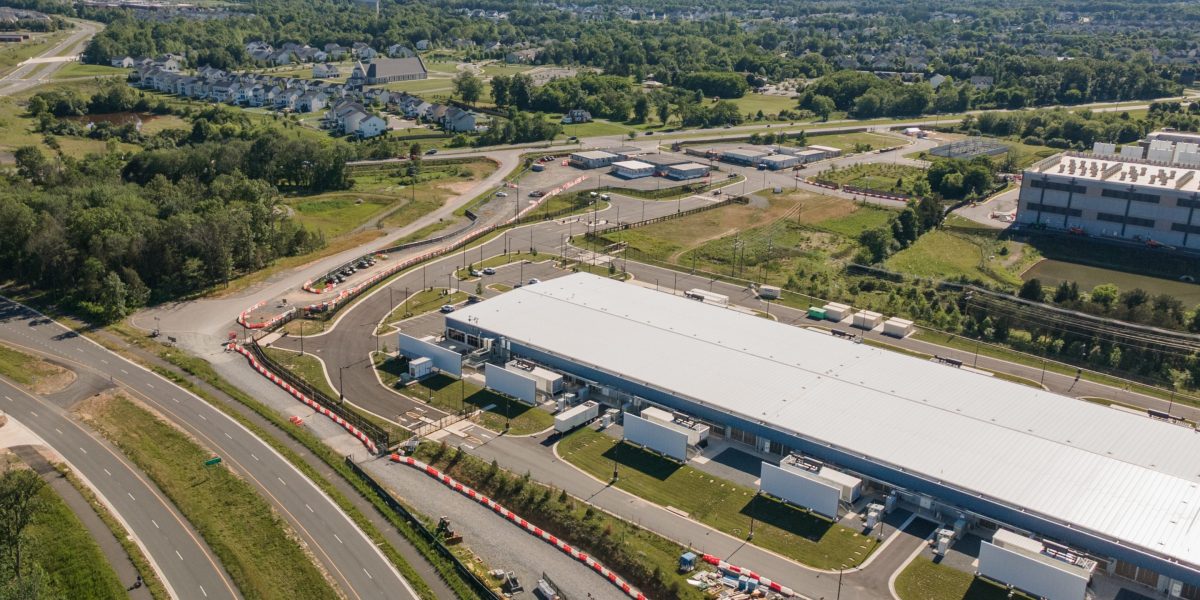
Microsoft’s carbon footprint swelled 25% in 2025 as data center spending skyrocketed.
Microsoft Corp. recently reported a significant surge in carbon emissions – 25% higher than the year before. This setback comes as the software giant continues to invest heavily in artificial intelligence, a sector notorious for its energy-hungry data centers.
The company’s data centers are essentially massive server farms that power AI models, cloud services, and other digital operations. They consume massive amounts of electricity to keep the lights on, cooling systems running, and servers humming. As Microsoft’s AI ambitions grow, so does its ecological footprint.
Microsoft’s efforts to combat climate change have been well-documented. **Six years ago**, the company pledged to be carbon-negative by 2030 – a remarkable goal considering the current energy landscape. They’re aiming to not only offset their emissions but actually remove more carbon from the atmosphere than they emit. It’s a lofty target, especially given the company’s size and scope.
But despite Microsoft’s best efforts, it seems that the data center boom has thrown a wrench in their plans. As AI adoption continues to accelerate and more companies invest in data-driven technologies, the demand for energy-efficient computing will only increase. This presents a daunting challenge for tech giants like Microsoft, which are struggling to balance their growing environmental footprint with growing business ambitions.
What this means
For consumers and the environment, Microsoft’s setback serves as a reminder that our addiction to digital technologies comes with a steep price. The AI-powered future we’re building is energy-intensive, and it’s only going to get worse unless we invest in sustainable infrastructure and more efficient computing solutions. As AI adoption continues to climb, we can expect more companies to face similar environmental challenges – making it crucial to prioritize eco-friendly practices and innovation in the tech sector.