India and Indonesia Forge New Era of Military Cooperation
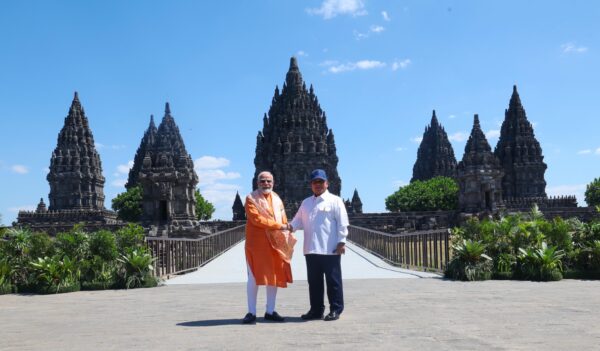
India’s Prime Minister Narendra Modi yesterday wrapped up a three-day visit to Indonesia, capping off a flurry of activity with the signing of 14 agreements aimed at bolstering bilateral ties.
The agreements included a high-stakes deal for the provision of BrahMos supersonic missiles to the Indonesian armed forces, a move that’s likely to rattle regional security dynamics.
During his visit, Modi and Indonesian President Joko Widodo also signed pacts on critical minerals, agriculture, and defense collaborations, all of which are expected to generate significant trade benefits for both nations.
BrahMos, a missile system developed jointly by India’s DRDO and Russia’s NPO Mashinostroyeniya, is a significant asset for any military, boasting speeds of up to Mach 3 and a range of over 290 miles.
New Avenues for Cooperation
What this means is that Indonesia is strengthening its military capabilities, which could have implications for the region’s strategic balance. The deal also signals a significant expansion of India’s missile exports, positioning the country as a major player in the global defense industry.
Indonesia’s strategic location in Southeast Asia, coupled with its growing military ties with India, suggests that both nations are seeking to counterbalance China’s increasing influence in the region.
Agricultural Partnerships
The two sides also agreed on a range of agriculture-related collaborations, including the export of Indian rice, wheat, and other staples to Indonesia, which has been grappling with food security concerns.
The agreement is expected to boost India’s agricultural exports, while also addressing Indonesia’s reliance on imports to meet its food needs.
The signing of these agreements underscores the rapidly growing ties between India and Indonesia, which are expected to become even closer in the coming years.
As both nations seek to bolster their economic and military capacities, it’s clear that their relationship is set to become a key driver of regional politics and trade in the years to come.