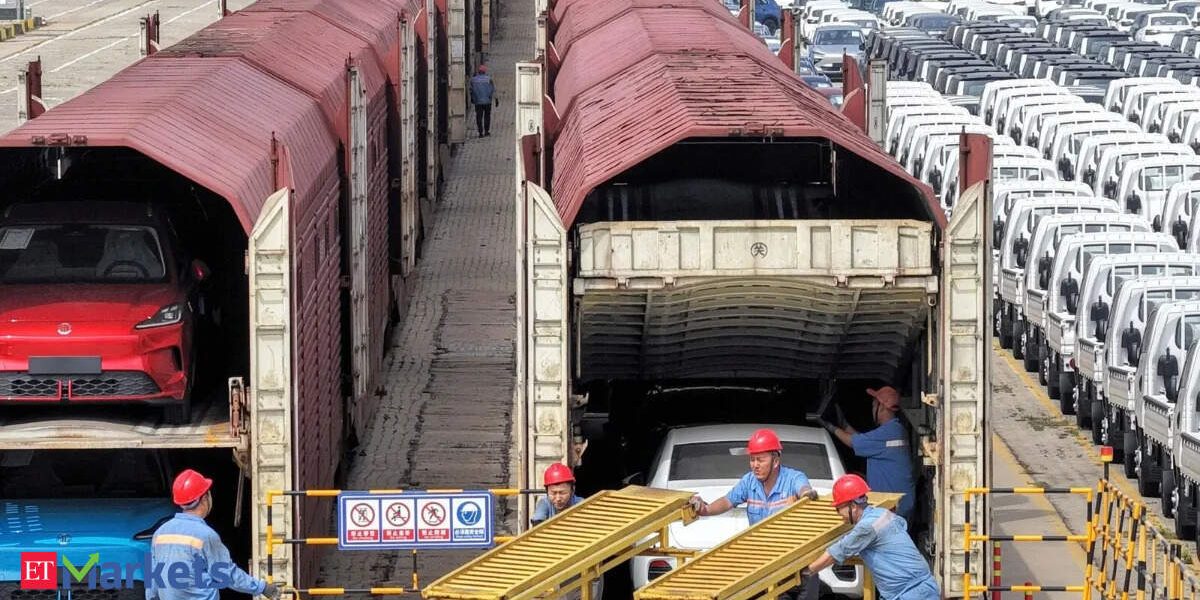
China’s factory-gate inflation has just hit a four-year high, and that’s likely to keep metals and industrial stocks on investors’ radar.
China’s Factory-Gate Inflation Soars to Four-Year High
According to the latest data, China’s factory-gate inflation reached 4.1 percent year-on-year in June, the fastest pace since 2018. This surge in producer prices is largely driven by rising energy and commodity costs, which are putting pressure on manufacturers across the country.
Now, you might wonder what this means for regular folks. Here’s the thing: when factory-gate inflation goes up, it usually means higher production costs for companies. These costs are often passed on to consumers, so we might see prices for goods and services increase down the line.
Contrasting Trends: Factory and Consumer Inflation
Interestingly, consumer inflation in China isn’t following the same trend. In June, it slowed to 1.0 percent, which is the lowest level in three months. The reason for this slow growth is weak domestic demand, which is a concern for the Chinese economy.
Analysts point out that this disparity between factory and consumer inflation highlights the complex dynamics at play in China’s economy. On one hand, manufacturers are facing rising costs, but on the other hand, consumers are struggling to drive demand.
Metals and Industrial Stocks in Focus
So, what does this mean for investors? Metals and industrial stocks are likely to remain in focus as investors watch for any changes in factory-gate inflation. This includes materials like steel, copper, and zinc, which are key inputs for manufacturing.
For now, it’s a delicate balancing act for policymakers in China. They need to address the rising cost pressures for manufacturers without overstimulating the economy, which could lead to higher inflation and interest rates.
As we watch China’s economy unfold, one thing is clear: the factory-gate inflation numbers will continue to shape the narrative around metals and industrial stocks.