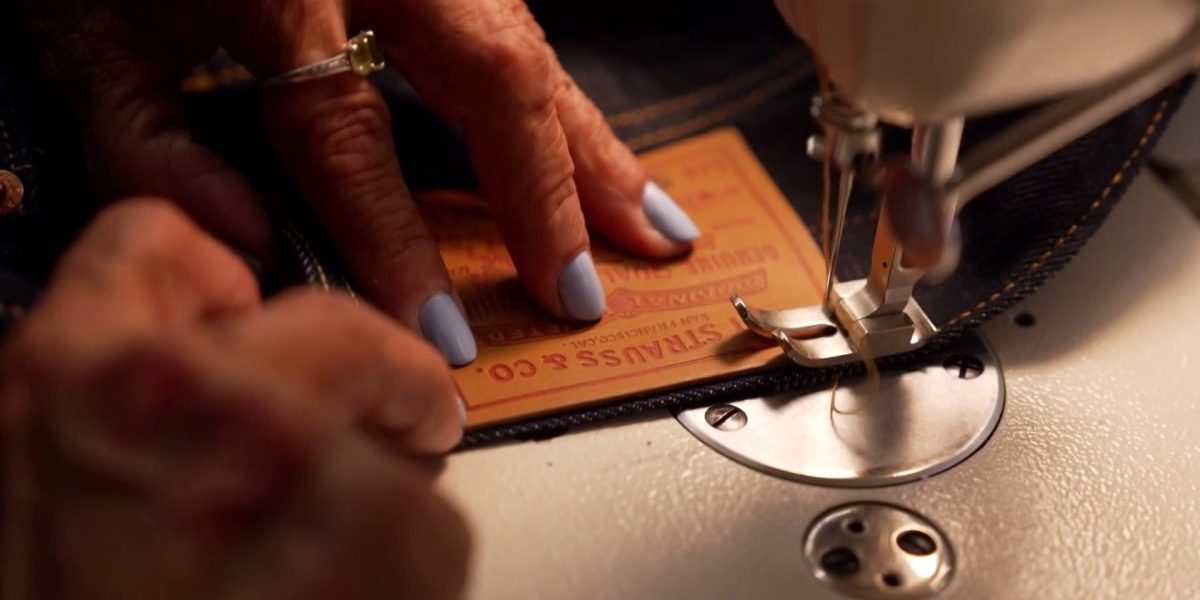
Levi Strauss & Co.’s research lab has been working on integrating AI into their denim design process, allowing them to create customizable fabrics that adapt to individual wearers’ preferences.
A New Era of Denim
The company’s goal is to revolutionize the traditional manufacturing process by leveraging AI to create personalized products. This involves analyzing data on factors like body type, lifestyle, and personal style to inform the design and production of jeans. By using machine learning algorithms, the lab can optimize fabric composition, weaving patterns, and even create unique textile effects.
According to Michelle Gass, CEO of Levi Strauss & Co., “AI is allowing us to create a more intimate relationship between the wearer and the garment. We’re able to create fabrics that respond to the wearer’s needs, providing a more comfortable and sustainable experience.”
The Role of Data in Denim Design
The research lab has been collecting data from various sources, including wearers’ feedback, product testing, and consumer behavior analysis. This data is then used to train the AI models, enabling them to make informed decisions about fabric composition, color, and texture. The goal is to create a closed-loop system where data informs design, and design informs data collection.
For example, the lab has developed a fabric that adapts to the wearer’s body temperature, providing optimal comfort in varying environmental conditions. This technology has the potential to significantly reduce the environmental impact of denim production, as well as improve the wearer’s overall experience.
What this means
The integration of AI in denim design has the potential to transform the industry, enabling companies to create customizable, sustainable products that cater to individual needs. As consumers become increasingly conscious of their environmental impact, companies like Levi’s that prioritize sustainability and innovation will be at the forefront of the industry.
While this technology is still in its early stages, it’s exciting to think about the possibilities it presents for the future of fashion and sustainability. With AI-driven design, the notion of a “one-size-fits-all” approach to clothing is becoming a relic of the past, making way for a more personalized and environmentally conscious future.