Indonesia is pushing for an AI framework that puts people first.
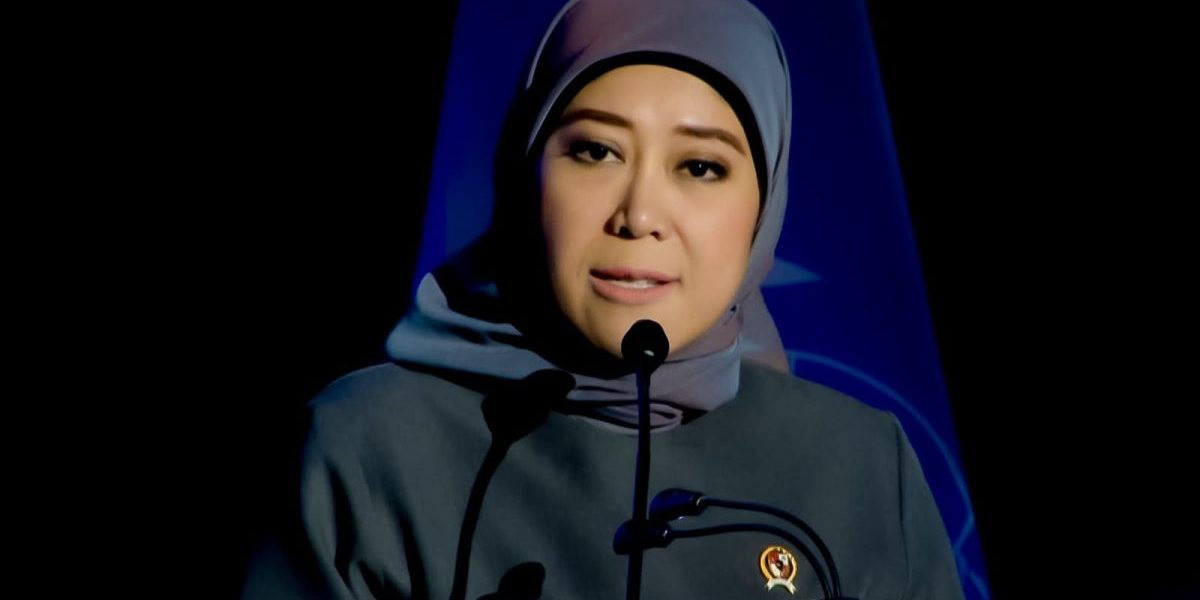
Last week at the United Nations Global Dialogue on AI in Jakarta, Indonesia made a bold call to action for a people-centered approach to artificial intelligence (AI) governance. This means prioritizing human values and well-being over pure technological advancements.
The Jakarta Declaration
The Jakarta Declaration, a key outcome of the UN forum, emphasizes the need for international cooperation and a human rights-based approach to AI development. Indonesia’s Foreign Minister, Retno Marsudi, highlighted the risks of unchecked AI growth and argued that a more collaborative approach is necessary to ensure AI benefits all people, not just a select few.
The declaration also emphasizes the importance of transparency, accountability, and data protection in AI development. It calls for the establishment of a UN-led AI governance framework, which would bring together governments, civil society, and the private sector to shape AI policies and standards.
What this means
If Indonesia’s proposal gains traction, it could lead to a more equitable and people-focused AI landscape. This would involve prioritizing human rights, social welfare, and environmental considerations in AI decision-making processes.
For example, this might mean implementing stricter regulations on AI-powered surveillance systems, or ensuring that AI systems are designed to promote inclusive and accessible technologies for underserved communities.
The international community responds</hassistant
The international community is now weighing in on Indonesia’s proposal, with many countries expressing support for a collaborative and human-centered approach to AI governance.
The European Union, in particular, has been a strong advocate for a people-focused AI agenda, emphasizing the need for robust regulations and safeguards to prevent AI from exacerbating social and economic inequalities.
However, some technology companies and industry groups have expressed concerns that over-regulation could stifle innovation and hinder the development of AI technologies that could benefit humanity.
As the debate continues, one thing is clear: Indonesia’s proposal has sparked a timely and much-needed conversation about the role of AI in our societies and the kind of world we want to create with this technology.