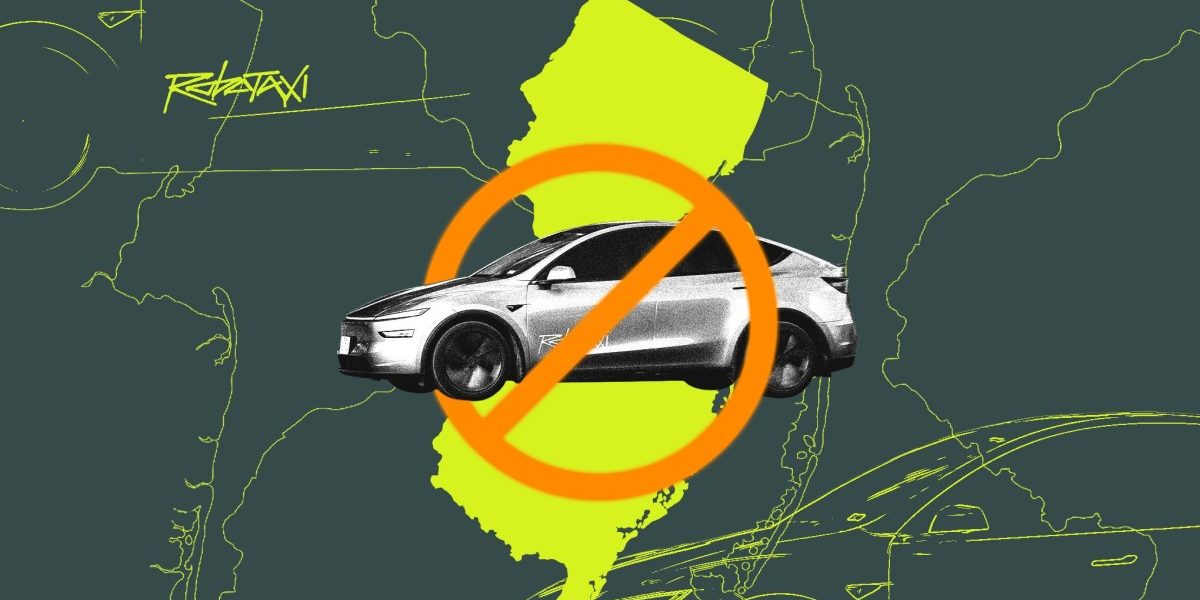
New Jersey Takes Stance on Autonomous Vehicles
A contentious rule in New Jersey could spell trouble for Tesla’s plans to deploy fully autonomous taxis in the state. The proposed law requires driverless cars to have lidar sensors, among other technologies, to operate without human oversight – but Tesla’s are camera-only.
The issue at hand centers on the safety and efficacy of various sensing technologies in autonomous vehicles. For over a decade, the debate has raged: do cameras, like those currently used in Tesla’s vehicles, provide sufficient data to navigate complex environments, or do additional sensors like lidar and radar offer a more comprehensive view of the world?
New Jersey’s proposed law suggests a clear stance: truly driverless cars need more than just cameras to safely operate on public roads. The state’s Department of Motor Vehicles has proposed a set of regulations governing the deployment of autonomous vehicles, which mandates the use of lidar, radar, and other sensors in addition to cameras.
Tesla, which has been at the forefront of autonomous vehicle development, won’t be able to meet these requirements. The company has been relying on camera-only systems, which they claim provide sufficient data for safe navigation. However, this approach has yet to be proven in real-world scenarios, and many experts remain skeptical about its effectiveness.
The Lidar Mandate: What This Means
The implications of this proposed law are significant. If it passes, Tesla will need to either upgrade its autonomous vehicle technology to include lidar sensors or forego the opportunity to deploy driverless taxis in New Jersey. This could set a precedent for other states to follow suit, potentially limiting Tesla’s ability to expand its autonomous taxi service.
Lidar, a type of laser-based sensing technology, provides a more detailed and accurate 3D map of the environment compared to cameras. By requiring the use of lidar and other sensors, New Jersey is effectively endorsing a more comprehensive approach to autonomous vehicle safety. Whether this is the right approach remains to be seen – but for now, it’s clear that Tesla has some significant hurdles to overcome if it wants to deploy fully autonomous vehicles in the Garden State.
What’s Next for Tesla and New Jersey?
The proposed law will now be subject to public comment and review. Tesla will have the opportunity to provide input and address any concerns regarding the use of lidar sensors in its vehicles. However, time is of the essence – with other states and companies already moving forward with more advanced sensing technologies, New Jersey’s stance on autonomous vehicles could prove to be a significant turning point in the industry’s development.