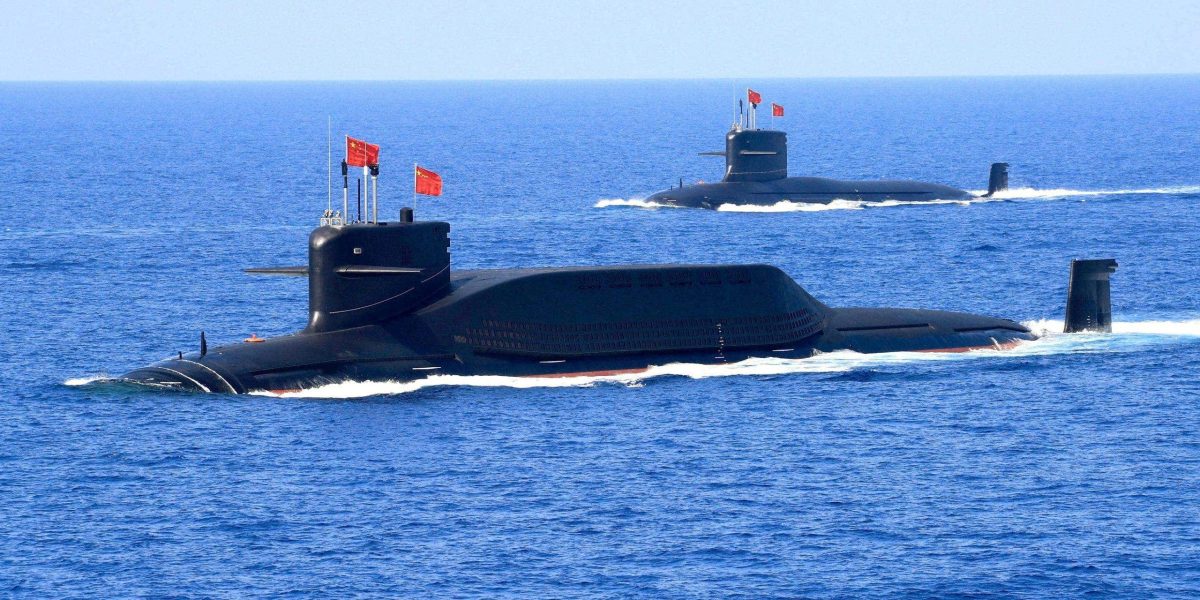
Australia and Japan Slam China’s Rare Submarine Missile Test
China’s recent test of a submarine-launched ballistic missile has sparked outrage in the Pacific, with Australia and Japan denouncing the move as a threat to regional stability. The rare acknowledgment of Beijing’s sea-based nuclear capabilities comes as the US and its allies strengthen defense ties in the region.
On Monday, China publicly announced it had launched a ballistic missile from a nuclear-powered submarine into the Pacific Ocean. The move marks a significant escalation of China’s nuclear capabilities, which have long been a point of concern for the US and its allies.
Regional Tensions Mount Ahead of NATO Summit
The timing of the test couldn’t be more ominous, coming as it does on the eve of the NATO summit in Ankara. The summit is expected to focus on strengthening defense ties between the US and its allies, particularly in the wake of China’s growing assertiveness in the Pacific.
Australia’s Foreign Minister, Penny Wong, called the test “a matter of grave concern,” adding that it “undermines regional stability and increases tensions.” Japan’s Defense Minister, Yasukazu Hamada, also weighed in, stating that the test was “a serious threat to regional peace and security.”
What This Means for Global Security
The test is a clear reminder of China’s rapidly expanding nuclear capabilities, which have long been a source of concern for the international community. The move is seen as a direct challenge to the US and its allies, who have long relied on a deterrent strategy to maintain regional stability.
As the world becomes increasingly interconnected, the implications of this move are far-reaching. The test serves as a stark reminder that the nuclear arms race is far from over, and that the consequences of miscalculation can be catastrophic.
For the US and its allies, the test highlights the need for continued investment in defense and deterrence capabilities. As the world becomes increasingly complex, one thing is clear: the stakes have never been higher, and the need for global cooperation has never been more pressing.