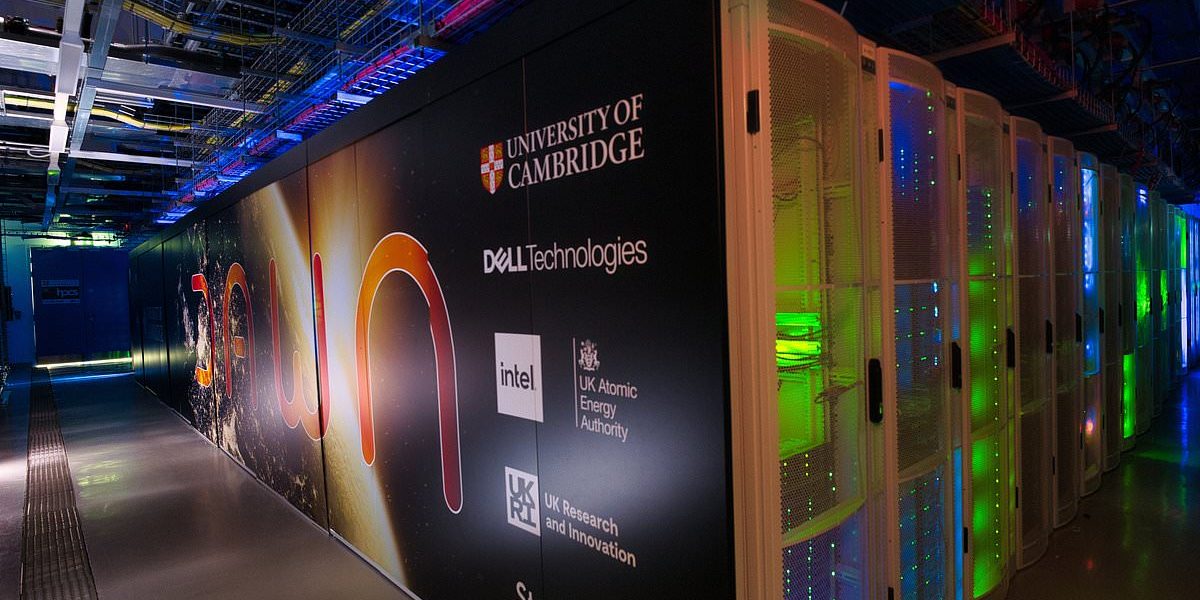
**UK’s Top AI Supercomputer Falters During Sizzling Heatwave**
A severe heatwave in the UK has forced one of the country’s fastest artificial intelligence supercomputers offline, impacting climate and cancer research projects.
Temperatures at the University of Cambridge, where the Dawn supercomputer is housed, reached a sweltering 30C on June 27, prompting the machine’s shutdown. Over a week later, Dawn remains offline.
The Dawn supercomputer is capable of performing 10 petaflops of calculations, making it one of the UK’s most powerful computing systems. Researchers rely on these powerful machines to simulate complex climate models, analyze large datasets in cancer research, and develop new AI algorithms.
The University of Cambridge has yet to provide a specific timeline for Dawn’s return to operation. In the meantime, researchers are likely to experience significant delays in their projects.
**Consequences for Climate and Cancer Research**
Researchers working on climate models rely on powerful supercomputers like Dawn to simulate complex weather patterns and predict future climate trends. The downtime will undoubtedly impact their ability to analyze data and provide timely insights.
Similarly, cancer researchers, who often use AI to analyze large datasets and identify potential treatment options, will face disruptions to their work. These delays can be critical in the pursuit of new treatments and cures.
While the shutdown of Dawn may seem like an isolated incident, it highlights the growing need for researchers and institutions to develop strategies for mitigating the impact of extreme weather events on sensitive equipment.
**What this means**
The sudden shutdown of Dawn serves as a reminder that even the most advanced technology is not immune to the effects of extreme weather. As the world continues to experience more frequent and intense heatwaves, researchers and institutions must be prepared to adapt and develop plans to safeguard their equipment and data.