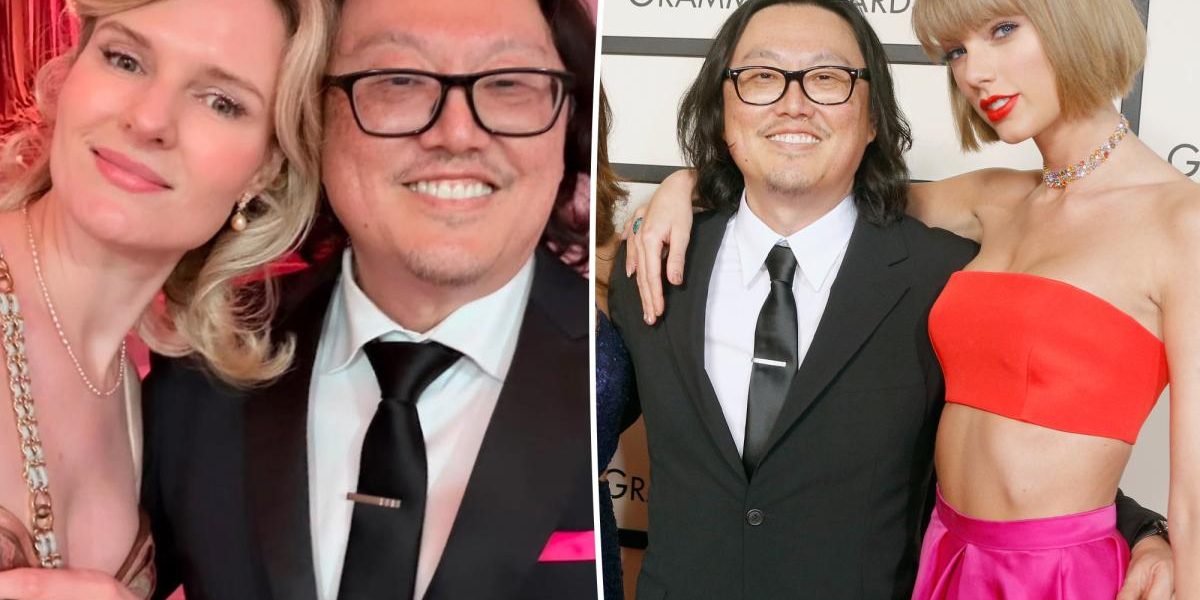
Joseph Kahn, the music director who worked with Taylor Swift on some of her most popular music videos including “Bad Blood” and “Look What You Made Me Do”, shared his own snapshot from the star-studded wedding on Instagram, shutting down the validity of photos that claim to be from Taylor Swift and Travis Kelce’s wedding.
Kahn’s photo shows the couple exchanging vows in a stunning ceremony, surrounded by celebrities like Selena Gomez and Blake Lively. However, a series of fake photos have been circulating online, allegedly showing the couple’s wedding ceremony at the iconic Madison Square Garden (MSG) venue in New York City.
It’s a familiar tale: fake AI-generated images are being used to fabricate news and create a sense of FOMO (fear of missing out) among fans and the general public. AI-generated images have become increasingly sophisticated, but they’re still no match for a genuine photo from someone with a front-row seat.
Kahn’s move is a reminder that verification is key in today’s digital age. As AI-generated content becomes more prevalent, it’s up to all of us to fact-check and verify information before sharing it with others.
**What this means**
This incident highlights the importance of media literacy in the face of rapidly advancing AI technology. With the help of AI, anyone can create convincing fake images, so it’s essential to be vigilant and not spread misinformation. Verify information before sharing it on social media, and always be skeptical of sensational or suspicious content.
**The rise of AI-generated content**
AI-generated content has been making headlines in recent years, from deepfakes to AI-generated art. While these advancements have opened up new creative possibilities, they also pose significant challenges for media and society as a whole. As Kahn’s experience shows, it’s crucial to be aware of the potential for AI-generated content to mislead and manipulate.
**The stakes**
The stakes are high, and the consequences of spreading fake news can be severe. In a world where AI-generated content is becoming increasingly sophisticated, it’s more important than ever to be critical thinkers and media literacy champions. By doing so, we can protect ourselves and others from the potential harm caused by fake news and misinformation.