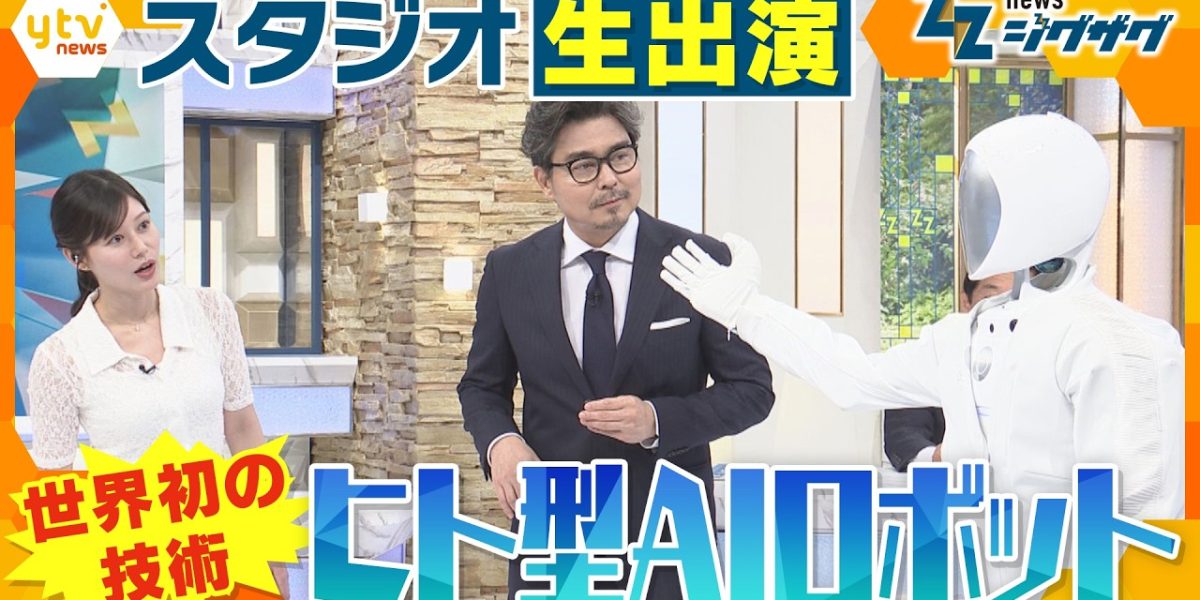
Meet ‘Mira-OS’, the AI-powered humanoid robot that just stunned the world with its uncanny ability to read human gestures – and it’s all thanks to a cutting-edge tech Japan’s been working on in secret.
Gesture Tech Breakthrough
The Mira-OS robot, currently under development at a Japanese research lab, has achieved what its creators claim is a world-first: real-time, accurate gesture recognition. This means that with just a flick of the hand or a nod of the head, the robot can pick up on the exact movement and respond accordingly.
This technology harnesses a combination of computer vision and machine learning algorithms to enable the robot to interpret human gestures with remarkable accuracy. It can even recognize and mimic subtle hand movements, like a hand wave or a thumbs-up.
Japan’s Bid to Regain AI Supremacy
The demonstration of Mira-OS’s gesture recognition tech has sparked debate over Japan’s position in the global AI arena. For years, the US has led the charge in AI research and development, with notable breakthroughs in computer vision, natural language processing, and robotics.
However, Japan’s Mira-OS development suggests that the country might be regaining ground in areas where it was previously outpaced. If successful, this technology could pave the way for more advanced humanoid robots – and with them, new opportunities for collaboration and innovation between humans and machines.
What this means
The implications of this breakthrough are significant. Gesture recognition technology has the potential to revolutionize human-robot interaction, enabling robots to better understand human intentions and respond more naturally.
As robots like Mira-OS become more advanced, we can expect to see them used in a variety of settings, from healthcare and education to entertainment and customer service. By bridging the gap between humans and machines, gesture recognition tech could unlock new possibilities for human-robot collaboration and push the boundaries of what we can achieve together.