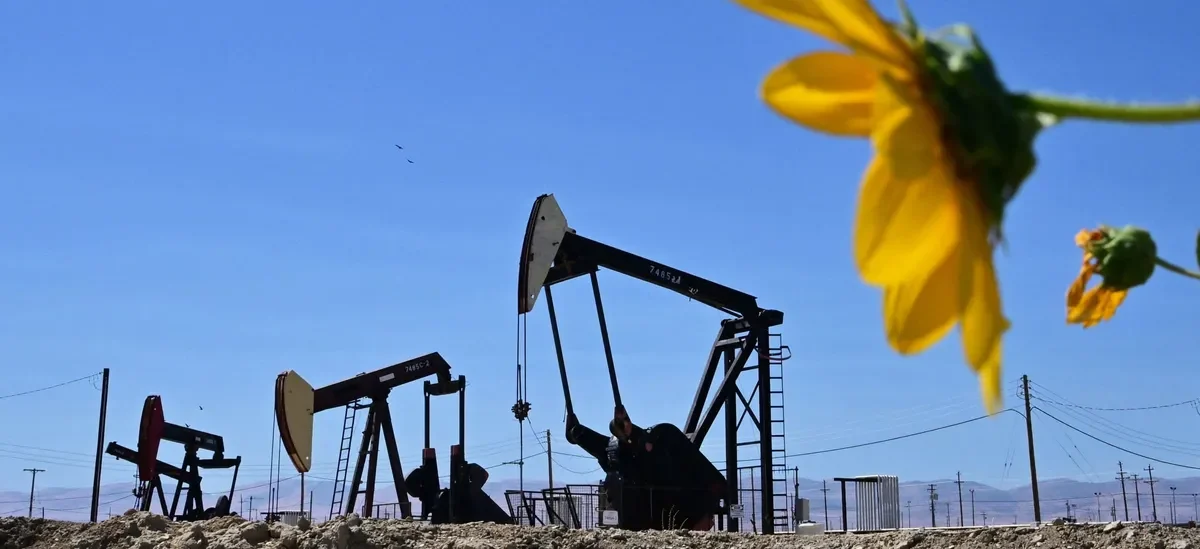
Fracking Boom: America’s Energy Dominance Turns 250
The US has reached its 250th birthday, and amidst all the patriotic fanfare, one key factor stands out: the country’s remarkable energy dominance. But what’s behind this shift? It wasn’t just the discovery of America’s energy wealth that led to this transformation – it was the system of free enterprise that made it possible.
A Free Market Fueling the Fracking Boom
Free enterprise has been a cornerstone of American business since the nation’s inception, but its impact on the energy market is nothing short of remarkable. Without the regulatory barriers that often stifle innovation, companies like ExxonMobil’s CEO, Darren Woods, and others could freely pursue new technologies, such as horizontal drilling and hydraulic fracturing, or fracking. These innovations have catapulted the US to become the world’s largest oil and natural gas producer.
In the past decade alone, the US has seen a staggering increase in oil production, rising from 5.6 million barrels per day in 2010 to over 12 million barrels per day in 2020. This surge is not only a testament to the effectiveness of free enterprise but also a game-changer for the global energy landscape. By producing more energy domestically, the US has significantly reduced its reliance on foreign imports, reducing the economic and strategic risks associated with them.
What this means
The energy dominance of the US is not just a domestic issue – it has far-reaching implications for the global economy. With increased energy production, the US is better positioned to drive economic growth, create jobs, and support industries that rely heavily on affordable and reliable energy. As the nation celebrates its 250th birthday, it’s clear that the system of free enterprise has played a pivotal role in securing America’s energy future.
As the US continues to produce more energy, it will undoubtedly have a profound impact on the global energy market. With more energy available, countries like China, which have been relying on imports, can focus on more strategic and sustainable energy solutions. The US, on the other hand, can reap the rewards of increased energy production, from economic growth to a stronger national security.