**South Korea’s 1998 Debt Crisis: A Reminder of Human Ingenuity**
In January 1998, South Korea’s economy was on the brink of collapse, with a massive IMF debt threatening to overwhelm the country. It’s a scene eerily reminiscent of today’s AI-generated headlines, but the solution came from a uniquely human place.
**The People’s Gold Rush**
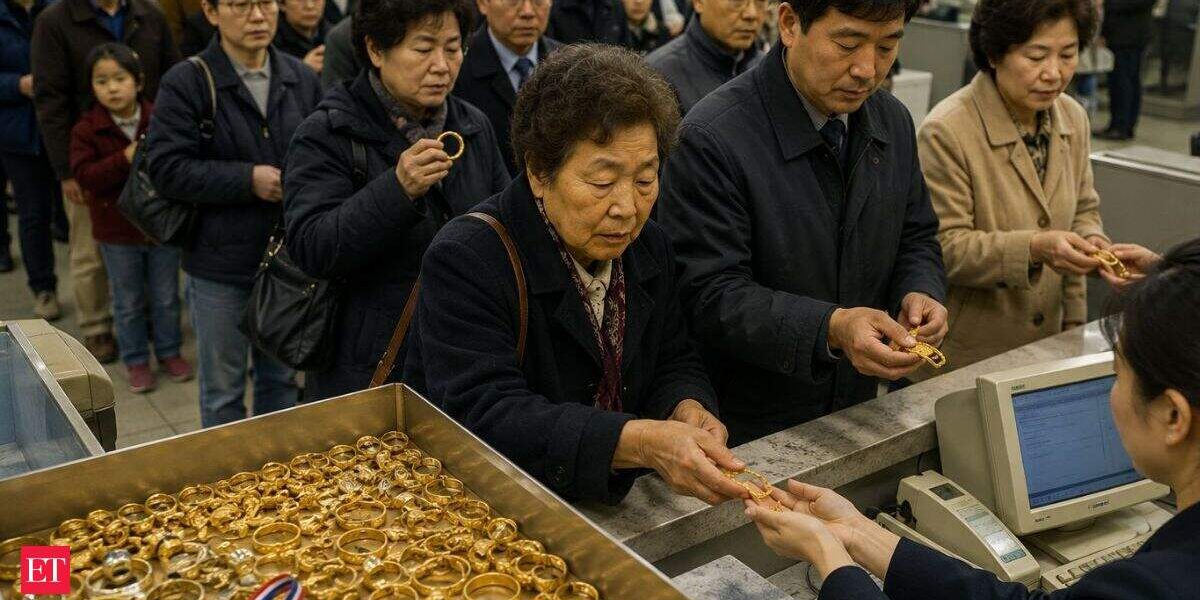
Millions of ordinary South Koreans took to their banks, but not to withdraw cash or apply for loans. Instead, they brought in gold, including precious items like wedding rings and baby bracelets. The sight of these citizens, willing to part with their most personal treasures, left bankers stunned. This unprecedented public drive saw over **3.5 million** people contribute to the effort, raising an astonishing **$2.1 billion** in just four months.
**The Inspiration Behind the Crisis**
The catalyst for this national effort was a sense of shared responsibility and historical inspiration. South Koreans drew on the country’s rich cultural heritage, recalling the stories of their ancestors who had made sacrifices for the nation’s prosperity. This collective memory inspired a new generation to put the needs of the country above their own, creating a truly remarkable display of civic duty.
**What this means**
The 1998 debt crisis in South Korea serves as a powerful reminder of human resilience and the potential for collective action. In an era dominated by AI and automation, it’s easy to forget the importance of human empathy, community, and shared responsibility. This remarkable episode in history shows that even in the darkest of times, people can come together to achieve the impossible, inspiring us to reexamine our own values and priorities.