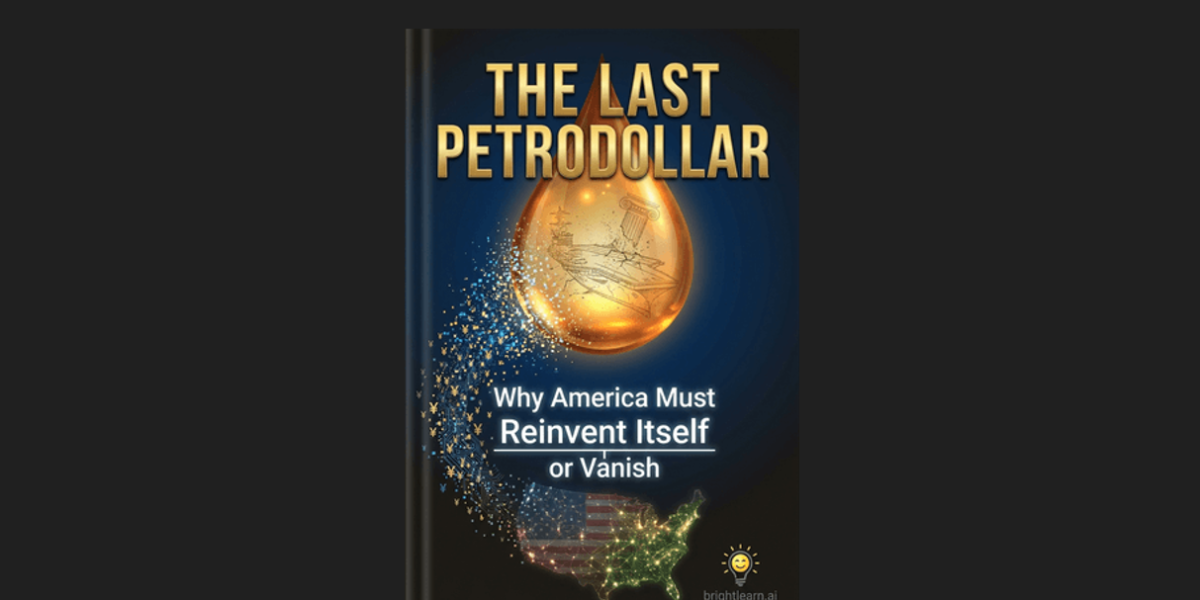
America’s Monetary House of Cards
The petrodollar system, born out of the 1971 “Nixon Shock,” has been the lifeblood of the US economy for over five decades, allowing the country to maintain its position as the world’s largest economy despite a declining manufacturing sector and a ballooning national debt. However, according to a recent critique, this very system is now threatening to bring about the downfall of the American Empire.
The book “The Last Petrodollar” argues that the US has become a “parasitic, debt-addicted nation” thanks to its reliance on the petrodollar system, which has enabled the country to maintain its global influence while avoiding meaningful economic reform. The system, which pegs the value of the US dollar to the price of oil, has allowed the US to finance its budget deficits through the sale of dollars to oil-exporting countries in exchange for crude.
The Petrodollar’s Stranglehold
The petrodollar system has been a double-edged sword for the US, providing the country with a unique opportunity to finance its wars and maintain its global influence while also perpetuating a cycle of debt and dependence on foreign oil. However, as the world transitions towards renewable energy sources and the dollar’s value begins to erode, the US is facing an unprecedented crisis.
The collapse of the petrodollar system would not only cripple the US economy but also threaten the very foundations of the global financial order. With the dollar’s value tied to the price of oil, a decline in demand for oil would lead to a sharp decline in the dollar’s value, making it difficult for the US to service its massive national debt. This would, in turn, lead to a catastrophic collapse of the global financial system.
A Diagnosis of Terminal Decline
So, what does this mean for the average American? In short, it means that the US needs to transition away from its reliance on the petrodollar system and towards a more sustainable economic model. This could involve a shift towards renewable energy sources, a reduction in debt, and a more equitable distribution of wealth.
The sooner the US takes action to address its economic woes, the better. As the world transitions towards a post-petroleum economy, the US needs to adapt and evolve in order to maintain its position as a global leader. Anything less would be a recipe for disaster.