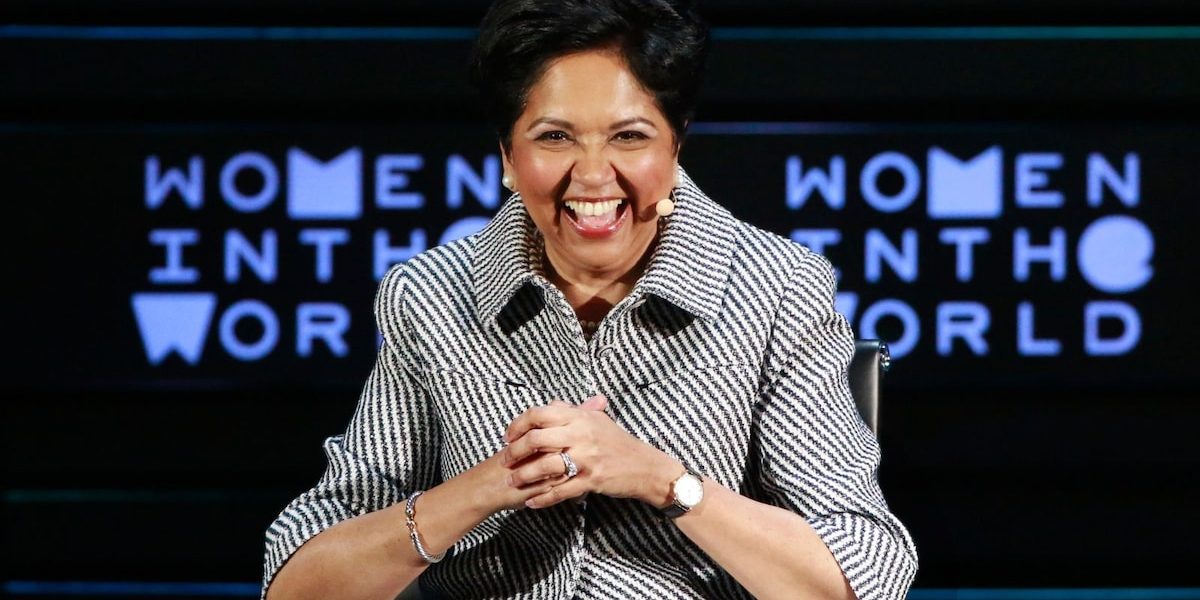
Indra Nooyi Puts India’s Chaos in Perspective, Drawing a Stark Contrast with China’s Model
India’s democracy is a messy, chaotic beast, and former PepsiCo Chairman and CEO Indra Nooyi is unapologetic about it. Speaking with former US Secretary of State Condoleezza Rice at the Hoover Institution, Nooyi revealed why American students often flocked to China for study abroad programs but rarely chose India: China’s relative ease of navigation, she claimed, is rooted in its “relatively homogeneous” society.
This isn’t a criticism of China’s one-party system; it’s a fact about its social fabric. In a country where a single dominant culture and language reign, navigating the system is significantly less complicated. In contrast, India’s democracy is a cacophony of languages, cultures, and identities, making it a much more challenging environment for outsiders to grasp.
Nooyi’s candid assessment of India’s chaos as the cost of its democracy is refreshingly honest. While it may not be the most conventional approach to governance, it’s a key aspect of India’s identity.
According to Nooyi, who has spent her fair share of time in India and the US, the country’s disorder is not for everyone. However, for those who can adapt and learn to appreciate its unique rhythm, India has a limitless allure.
Nooyi’s comments serve as a reminder that the American students who prefer China’s study abroad programs may be missing out on a rich, complex cultural experience that can only be found in India.
The India- China Contrast: What This Means
If Nooyi is right, and China’s relative ease of navigation is a key factor in its appeal to international students, it raises questions about the type of education we’re preparing students for in the US. Are we teaching them to thrive in environments that are increasingly complex and diverse, or are we preparing them for a more homogenous, China-like model?
Nooyi’s words are a call to action for educators and policymakers to rethink their approach to international education and prepare students for the messy, beautiful chaos of India’s democracy.
As the world becomes increasingly interconnected, the ability to navigate diverse cultural contexts will only become more crucial. By embracing India’s unique brand of chaos, we may just discover a new way of learning, growing, and engaging with the world.