Google Loses Top Talent to AI Startup Bonanza
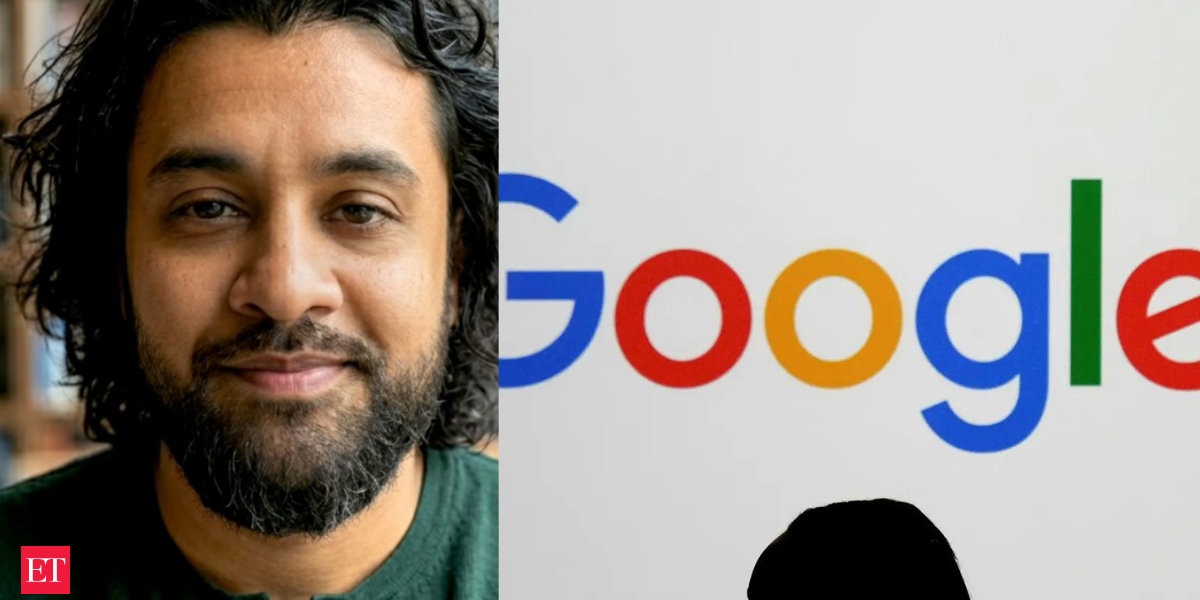
A $1 million salary wasn’t enough to keep Yousuf Imran, a former Google account executive, from fleeing the tech giant. This unexpected move has significant implications for the rapidly changing landscape of artificial intelligence and the high-stakes competition for top tech talent.
Imran’s decision to leave Google, despite earning nearly Rs 9.5 crore in a year, stems from his concerns about job security in the face of an impending AI boom. With AI companies like OpenAI and Anthropic offering lucrative equity packages, Imran and other top tech professionals are reevaluating their priorities.
These AI startups have managed to attract top talent by offering more than just a hefty paycheck. They’re providing opportunities for employees to own a piece of the company, essentially turning them into business partners. This shift in compensation structures has sparked a new era of entrepreneurship within the tech industry, where workers are willing to take calculated risks in pursuit of greater rewards.
The tech industry’s AI arms race has created a sense of unease, with many employees wondering whether they’ll be next on the chopping block. The fear of layoffs has become a pressing concern, making it difficult for companies like Google to retain top talent. This fear is fueled by the realization that AI can automate many jobs, making human workers less essential.
AI’s Uncertain Future
As AI continues to advance, the stakes are rising for employees and employers alike. With major tech companies like Google and Microsoft investing heavily in AI research, the competition for AI talent has become intense. This AI talent drain will undoubtedly have significant consequences for the tech industry as a whole, pushing companies to rethink their strategies and adapt to the changing landscape.
What this means for you: the rise of AI is changing the rules of the tech industry, and companies will need to adapt to stay ahead. As AI continues to automate jobs and disrupt traditional business models, employees will need to be more prepared than ever to pivot and capitalize on new opportunities.