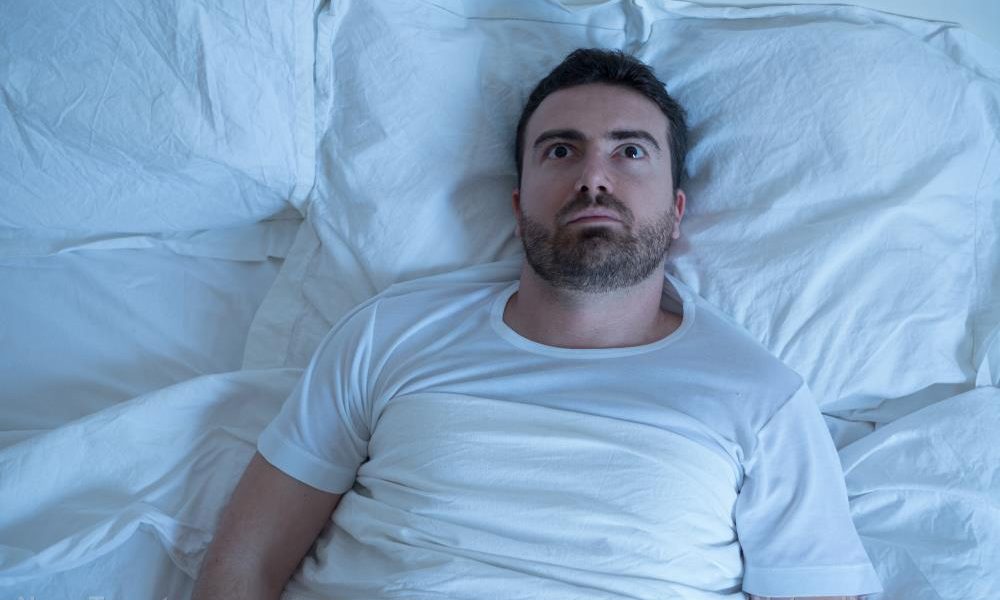
Research published in a leading psychology journal shows that young adults with anxious attachment styles are more likely to suffer from poor sleep quality, and vice versa, creating a vicious cycle that can wreak havoc on their mental and physical health.
Feeling Secure, Sleeping Better
A study of 68 young adults discovered that those with anxious attachment styles – characterized by a deep-seated fear of abandonment – tend to experience poor sleep quality, which in turn exacerbates feelings of jealousy and insecurity in their relationships.
The Feedback Loop
The researchers found that this is not a one-way street. The study shows that poor sleep quality can actually contribute to the development of anxious attachment styles. When people are sleep-deprived, they are more prone to ruminate on negative thoughts and experiences, which can strengthen their fear of abandonment and lead to more insecure behaviors in their relationships.
Dr. **Maria Rodriguez**, lead author of the study, explains that this feedback loop can create a self-perpetuating cycle of emotional distress. “When individuals experience anxiety in their relationships, it can disrupt their sleep patterns, which in turn can amplify their anxiety and insecurity, leading to even more poor sleep quality and so on.”
Breaking the Cycle
The study’s findings have significant implications for our understanding of the complex relationships between mental health, sleep, and relationships. What this means is that addressing sleep deprivation and relationship insecurity is crucial for maintaining good mental and physical health.
Dr. **Rodriguez** suggests that individuals can break the cycle by practicing self-compassion and working on building secure attachment styles. “This can involve setting healthy boundaries, practicing mindfulness, and engaging in activities that promote feelings of safety and security in relationships.”
By recognizing the hidden link between sleep deprivation and relationship insecurity, we can take steps to protect our mental and physical health and build stronger, more resilient relationships.