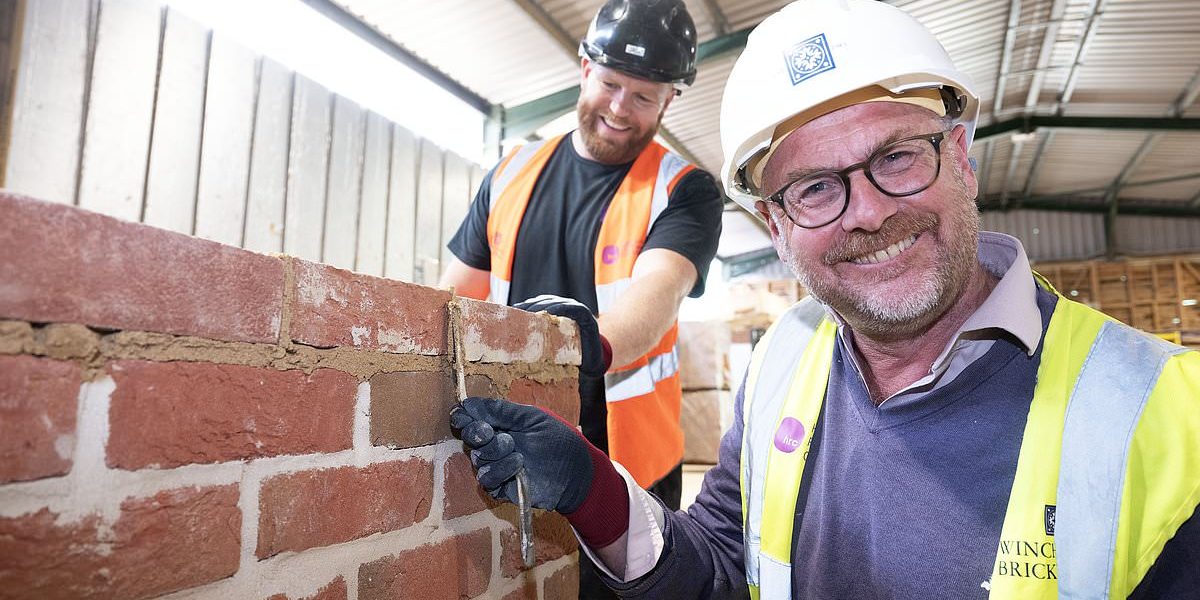
Bricklayer’s Payday Proves AI Won’t Replace Skilled Trades
A former office worker is now raking it in as a bricklayer, earning £90,000 a year, as millions of desk jobs risk being replaced by AI.
Meet Alex, a 32-year-old who used to spend his days staring at a computer screen, staring down the barrel of a potential AI-fuelled redundancy. But instead of panicking, he saw an opportunity. After training as a bricklayer, Alex is now one of the highly skilled tradespeople in high demand.
Britain is facing a huge shortage of skilled tradespeople, with millions of jobs at risk of being taken over by Artificial Intelligence. But there are a handful of careers that are guaranteed to be safe – and bricklaying is one of them. The UK’s construction industry is booming, driven by a lack of affordable housing and a government push to boost infrastructure projects.
Breathing Life into Traditional Trades
As automation and AI continue to creep into office jobs, Alex’s decision to swap the 9-to-5 for a life of manual labour is a reminder that there’s still value in human skills. Bricklaying requires a level of physical dexterity, creativity, and problem-solving that is difficult to replicate with technology.
While AI can help with tasks like estimating materials and designing buildings, the actual construction process is highly nuanced and requires a human touch. And that’s exactly what’s in high demand. “It’s not just about laying bricks,” Alex explains. “It’s about understanding the whole build process, working with architects, and delivering results that are safe and beautiful.”
What This Means
So, what can we learn from Alex’s story? In short, it’s that there are still plenty of opportunities for humans in the job market, even as AI takes over traditional office roles. If you’re looking for a career that’s less likely to be replaced by automation, consider pursuing a skilled trade like bricklaying or electrical work. It may require more training and hard work, but the rewards are high – and there’s no AI in sight to take your job.