**Paul Bettany’s Sci-Fi Movie “Transcendence” Fails to Capture Box Office Imagination**
Releasing a sci-fi movie about AI and consciousness with a stacked cast like Johnny Depp and Paul Bettany should be a no-brainer, but Christopher Nolan’s protégé, Wally Pfister, couldn’t quite get it right with “Transcendence” in 2014.
**The Flop: What Went Wrong?**
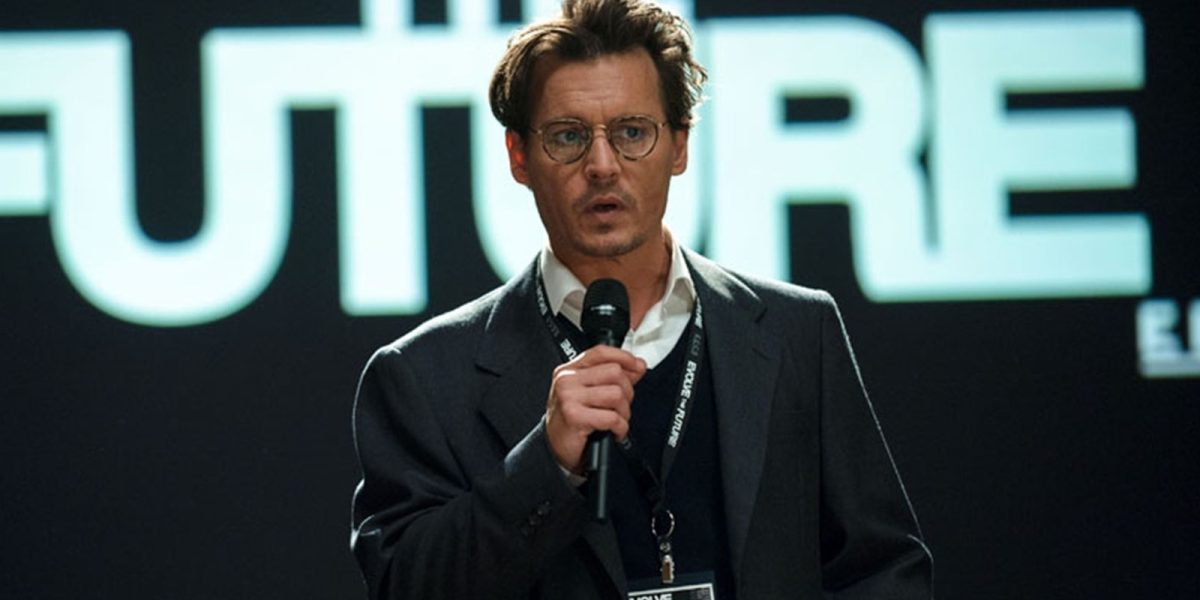
The film follows Will Caster (Depp), a scientist who creates the first sentient computer, and his wife Evelyn (Rebecca Hall), also a scientist. Their research takes a dark turn when a radical anti-technology activist attempts to destroy the project. Despite its ambitious premise, the movie collected only around $100 million at the global box office, against a budget of $110 million.
While “Transcendence” has its fans, the film received overwhelmingly negative reviews from critics, who found it predictable and emotionally empty. Many viewers felt that the movie tried to tackle too many complex ideas at once, without adequately fleshing out the characters. As a result, the film’s themes of artificial intelligence and the preservation of human consciousness failed to resonate with audiences.
**What This Means: The Challenge of Telling Complex Stories**
The failure of “Transcendence” highlights the difficulties of adapting complex scientific concepts into compelling narratives for the big screen. Creating engaging stories about AI and technology requires a delicate balance between scientific accuracy and accessible storytelling. If not done correctly, these stories can come across as convoluted or even misleading, alienating viewers who are either unaware of the scientific concepts or simply uninterested in the topic. Ultimately, “Transcendence” serves as a cautionary tale for filmmakers looking to tackle the intricacies of AI in their movies.