Peace and the Erosion of Intellectual Curiosity
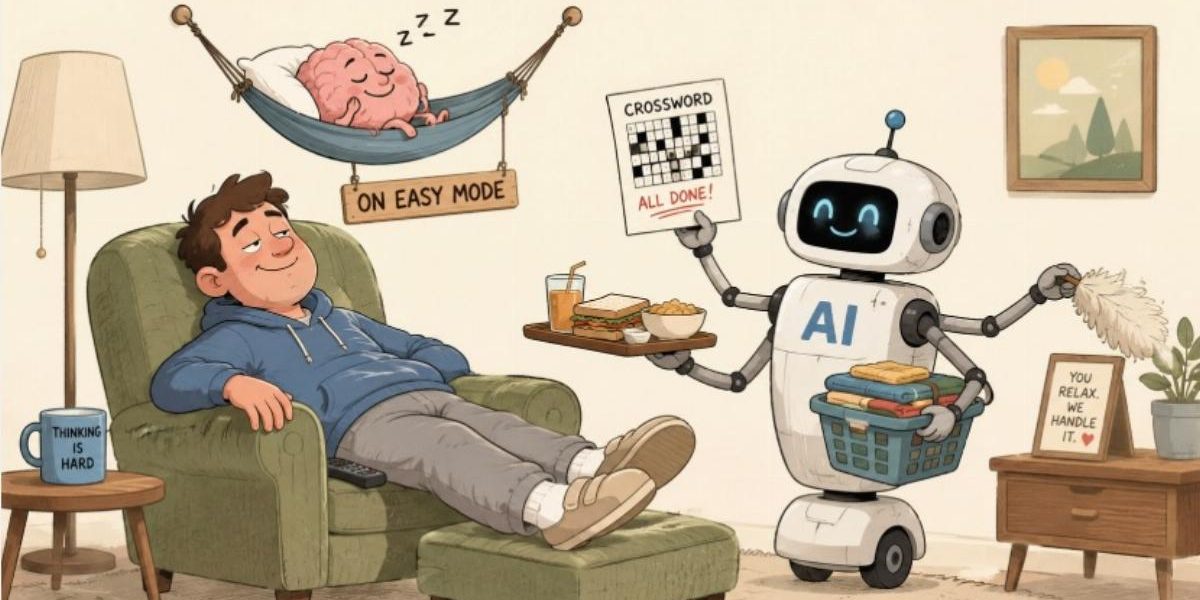
As technology continues to make our lives easier, a paradox emerges: the more we’re able to coast, the more our intelligence atrophies. This phenomenon is as fascinating as it is unsettling.
Research suggests that the absence of conflict and the resulting stability create an environment where people feel less inclined to engage in mentally stimulating activities. The comfort of an easy life can become a double-edged sword, lulling us into a state of intellectual complacency.
The Correlation Between Peace and Cognitive Decline
A study published in the journal Nature Communications found that in countries with high levels of peace and stability, there’s a corresponding decrease in cognitive abilities, such as problem-solving and critical thinking. This correlation is not coincidental; it’s a result of our brains adapting to a life with fewer cognitive challenges.
Think of it this way: when we’re constantly facing obstacles and needing to think on our feet, our brains develop and strengthen in response. But in a peaceful society, where problems are fewer and farther between, our brains don’t receive the same level of stimulation. As a result, they begin to atrophy, much like a muscle that’s not exercised regularly.
Raising Children in a Peaceful World
The implications of this paradox are particularly concerning when it comes to raising children. As parents, we want to provide our kids with the opportunity to develop their cognitive abilities, but in a peaceful world, this can be difficult to achieve. Children need challenges to grow and learn, but in a society where problems are scarce, they may not be getting the mental stimulation they need.
So, what does this mean? It means that as we strive for more peace and stability in our world, we need to find ways to incorporate cognitive challenges back into our lives. Whether it’s through education, hobbies, or simply engaging in mentally stimulating activities, we need to make a conscious effort to keep our brains active and engaged.
By doing so, we can mitigate the negative effects of a peaceful society and ensure that future generations are equipped with the cognitive abilities they need to succeed. The good news is that this is a challenge we can overcome – and one that’s worth overcoming.