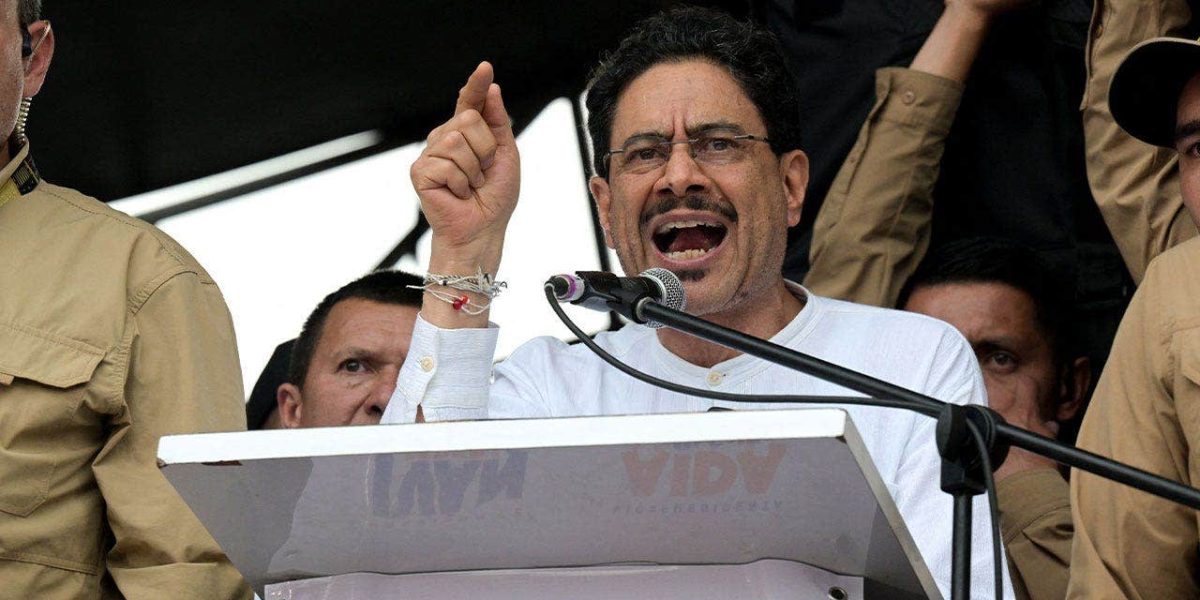
Colombia’s presidential election has seen a surprising upset, as right-leaning candidate **Abelardo de la Espriella** won the presidency over leftist rival **Iván Cepeda**.
Leftist Challenger Concedes Defeat
After initially disputing the results, Colombia’s leftist candidate **Iván Cepeda** has finally conceded the presidential election to conservative outsider **Abelardo de la Espriella**.
The concession comes after a tense wait as Cepeda initially challenged the outcome of the razor-thin election, which saw de la Espriella win by fewer than 200,000 votes out of over 24 million cast. The election’s narrow margin has sparked concerns about the country’s fragile democracy and the legitimacy of the electoral process.
Implications of a Conservative Presidency
The unexpected victory of **Abelardo de la Espriella**, a conservative outsider backed by President Donald Trump, has sent shockwaves through Colombia’s left-wing community and beyond. The country’s politics have been heavily influenced by the presence of guerrilla groups and the FARC, a Marxist insurgency that demobilized in 2017.
De la Espriella’s victory is seen as a departure from the country’s tradition of left-leaning presidents, with some analysts predicting a hardline stance on crime and corruption. The presidential election’s outcome has the potential to reshape Colombia’s relations with the United States, as well as its regional alliances in South America.
What this means
The implications of this unexpected election result are far-reaching, with potential changes to Colombia’s domestic and foreign policies looming on the horizon. For ordinary Colombians, the shift in power may signal a harder line on crime and corruption, potentially affecting the country’s economic trajectory and social stability.
This development serves as a reminder of the ever-changing landscape of global politics and the complex interplay of factors that shape the lives of ordinary people.