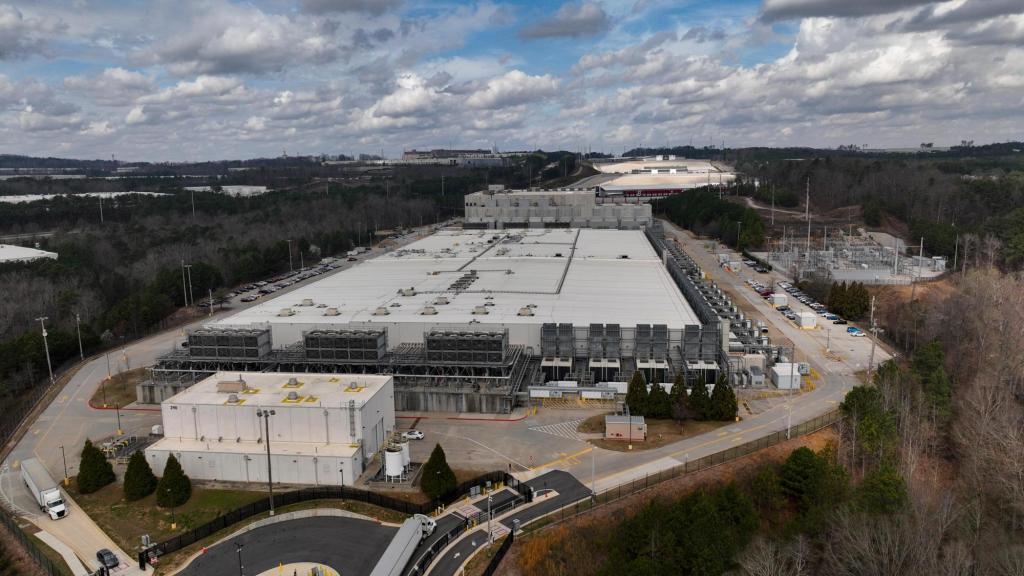
Alexa St. John’s recent article highlights a pressing concern: the environmental impact of AI companies. UN Secretary-General António Guterres has weighed in, urging these businesses to be more transparent.
The Call to Action
On Tuesday, Guterres made a bold request: AI companies should release data on carbon emissions, water usage, and land use associated with powering their systems. This move aims to address a growing concern – the environmental footprint of AI development and deployment.
As AI technology advances, so does its appetite for energy. Training large language models, for example, requires massive computational resources, which often come with a hefty environmental price tag. The production of these models consumes enormous amounts of electricity, which in turn contributes to greenhouse gas emissions.
What’s at Stake
While AI has the potential to drive significant environmental benefits (think climate modeling, sustainability predictions, and energy efficiency optimization), its growth must be balanced with environmental responsibility. Guterres’ call to action highlights the need for accountability in the tech industry.
AI companies must acknowledge and quantify their environmental impact. This transparency will enable policymakers, researchers, and the public to better understand the trade-offs involved in AI development and deployment.
A Glimmer of Hope
Guterres’ request marks a turning point in the conversation around AI’s environmental impact. It’s a step towards a more sustainable tech industry – one that prioritizes both human progress and planetary well-being.
What this means
In practical terms, this new era of transparency could lead to more efficient AI systems, reduced carbon emissions, and a lower environmental impact. As AI companies begin to disclose their environmental footprint, investors, consumers, and policymakers will have a clearer understanding of the sector’s true costs and benefits.