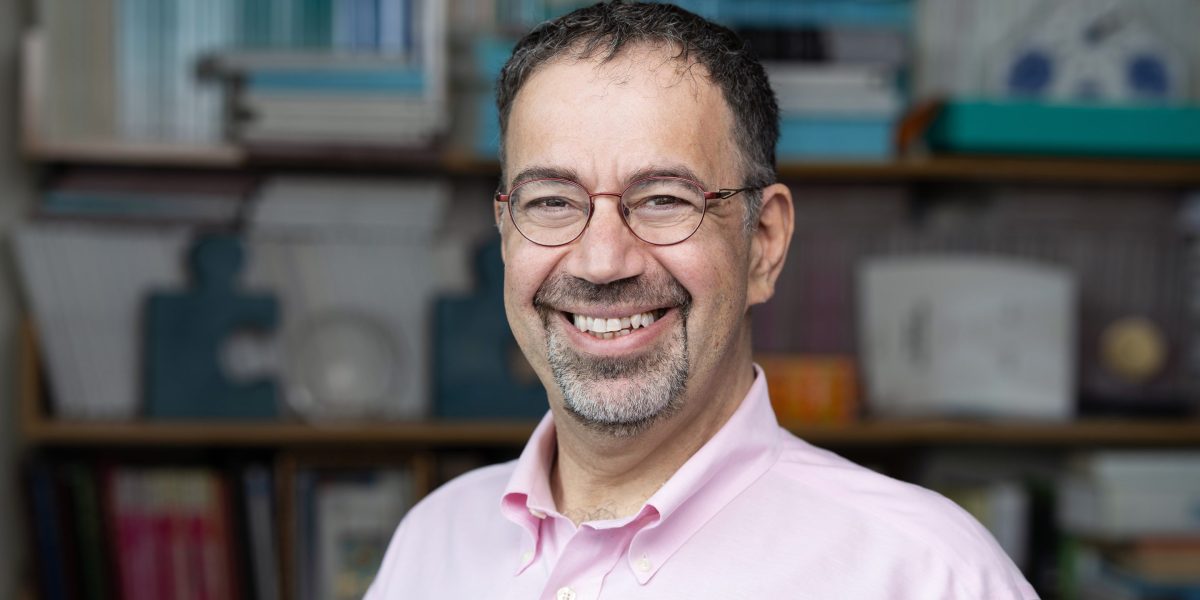
MIT Nobel Laureate Daron Acemoglu Blasts ‘Brainless’ AI Discourse
Daron Acemoglu, the MIT economist and 2024 Nobel Memorial Prize winner, has a stark warning: most of what you’re reading about AI is wrong, and the consequences of getting it wrong are nothing short of apocalyptic.
The stakes are high because AI is no longer just a hypothetical threat, but a rapidly accelerating reality.
The Myth of Capitalism and the Rise of a New Era
Acemoglu, known for his work on institutions and prosperity, estimates that around 0.55% of new jobs created in the United States between 2000 and 2019 were due to automation, while 99.45% were created by other factors, such as entrepreneurship and immigration. These numbers illustrate a fundamental misconception about the impact of capitalism: that it’s primarily driven by technological advancements.
However, Acemoglu argues that this myth has been perpetuated to justify the erosion of social safety nets and the widening wealth gap. In reality, capitalism is a complex system that relies on institutions, social norms, and economic policies to function.
The Gen Z Revolution Risk: A Call to Action
Acemoglu warns that the current AI discourse is not just misguided, but also ignores the existential threat posed by climate change. He emphasizes that the stakes for getting AI right are existential, as the consequences of failure could be catastrophic.
Rather than waiting for the perfect solution, Acemoglu advocates for a more nuanced approach that recognizes the importance of human values and well-being in the development of AI. This means investing in education and social programs that can mitigate the risks associated with automation and promote a more equitable distribution of wealth.
What this means: we need to stop relying on simplistic solutions and start engaging in a more informed, multidisciplinary discussion about the impact of AI on society. By doing so, we can create a more equitable and sustainable future for all, rather than simply perpetuating the status quo.