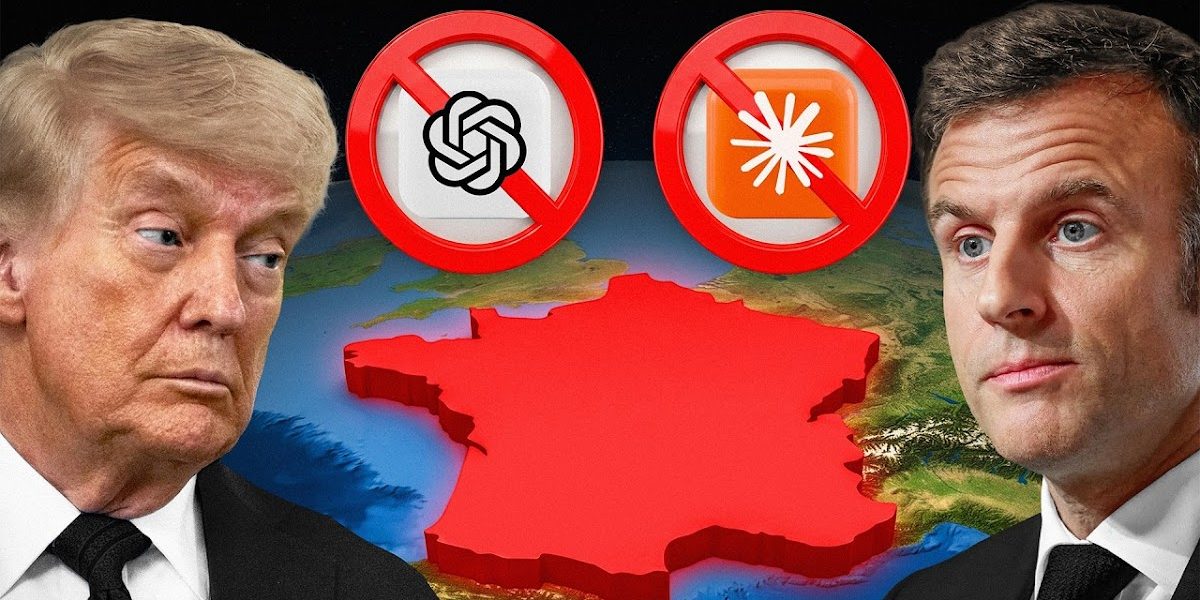
France’s AI Dependence Hits a Nerve
As of last month, the US government has implemented a new set of regulations allowing it to exert control over AI tools used in France, potentially disrupting the country’s reliance on these technologies.
Developed by Meta AI, Google DeepMind, and OpenAI, top-tier AI models like ChatGPT, Claude, and Llama are now subject to US oversight, giving policymakers in Washington the power to dictate their use.
A Wake-Up Call for France?
The move has sparked concerns that France may be caught in a digital dependence trap, with its economy and institutions increasingly reliant on AI tools controlled by a foreign government.
For instance, ChatGPT’s ability to generate human-like responses has made it a go-to tool for many French businesses, from customer service chatbots to content creation platforms. But with the US government’s new regulations, the French government may have to reevaluate its use of the platform or risk facing potential restrictions.
What this means:
For France, this means that its digital dependence on US-controlled AI tools could become a liability in the future. The country’s policymakers may need to explore alternatives to these tools or develop its own AI capabilities to mitigate this risk.
While the full impact of the US regulations is still unclear, one thing is certain: France’s dependence on AI tools controlled by a foreign government has become a pressing concern for its policymakers.
Will France Break Free?
As the situation unfolds, it remains to be seen whether France will be able to break free from its digital dependence on US-controlled AI tools or if it will find a way to work within the new regulatory framework.
One thing is clear, however, the US government’s new regulations have brought attention to the risks associated with relying on foreign-controlled AI tools, and policymakers in France will have to carefully weigh their options moving forward.