Ancient Dreams of Computing in Space Come Alive
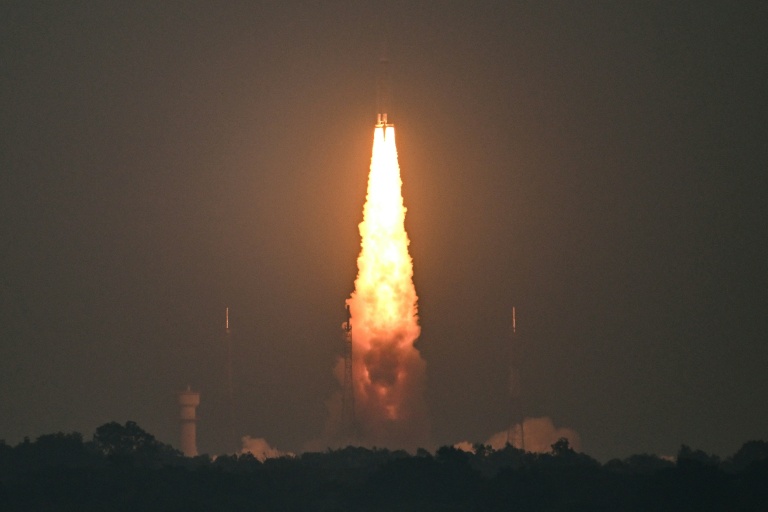
NASA’s plans to launch a space-based data centre on a satellite by 2025 have sparked debate about the feasibility and potential consequences of this ambitious project. The data centre, named Arktura, aims to host cloud computing services and AI applications, offering a massive storage capacity and processing power.
A team of researchers at NASA’s Jet Propulsion Laboratory is developing Arktura to provide on-demand computing services for various applications, including AI, scientific research, and space exploration. The data centre will be launched on a geostationary orbit and rely on solar panels to generate power.
Challenges and Concerns
Several challenges and concerns surround the Arktura project. For one, the cost of launching and maintaining the satellite-based data centre is extremely high, estimated to be in the range of $100 million. This has led some experts to question the project’s feasibility and whether it will provide a tangible benefit to technological development.
Another concern is the potential impact on the environment. The satellite’s solar panels and other electronic components will generate a significant amount of electronic waste, which can harm the Earth’s ecosystem and contribute to pollution. Additionally, the satellite’s communication systems could interfere with other Earth-based satellite signals, disrupting essential services.
What this Means
Regardless of the project’s success or failure, the effort to develop space-based data centres highlights the growing demand for computing power and storage capacity in the AI industry. This trend is likely to continue, with companies and researchers seeking innovative solutions to meet the increasing computing needs of AI applications.
For now, Arktura serves as a proof-of-concept, demonstrating the potential for space-based data centres to provide on-demand computing services. If successful, it may pave the way for future projects, but for now, it’s an expensive detour in the pursuit of technological advancement.