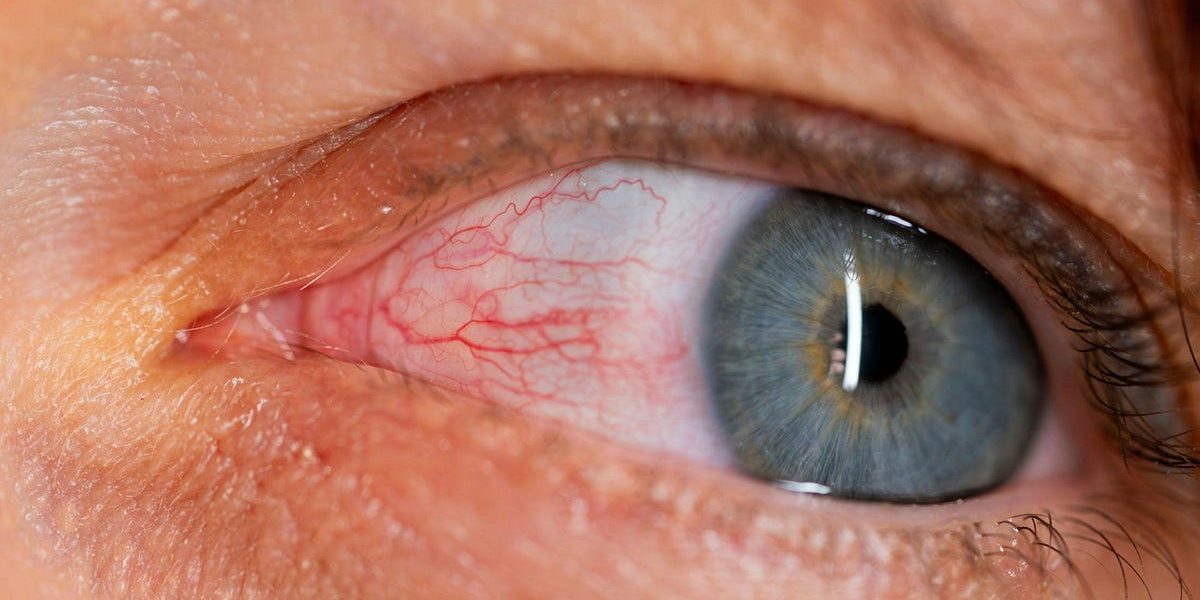
Researchers from Tel Aviv University and Sheba Medical Center have cracked the code on a non-invasive way to check blood counts, using AI to scan eye vessels instead of a traditional needle.
The Israeli study, recently published in npj Digital Medicine, is a major breakthrough in the quest for pain-free blood tests. For years, healthcare professionals have relied on invasive venipuncture, where a needle is inserted into a vein to collect blood samples. But this method is often met with anxiety, bruising, and even infection. The new AI tool promises to revolutionize this process by analyzing video images of the blood vessels in the eye.
The Power of AI in Medical Imaging
Developed by a team of researchers from Tel Aviv University and Sheba Medical Center, the AI tool uses a sophisticated algorithm to detect subtle changes in the blood vessels’ appearance. This information is then used to estimate hemoglobin levels and red blood cell counts – two critical indicators of overall health.
The AI tool’s accuracy was impressive, with results that matched those obtained from traditional blood tests in 95% of cases. This is a significant milestone, as it paves the way for non-invasive blood tests that can be administered in a doctor’s office or even at home.
The Potential Benefits of Non-Invasive Blood Tests
Imagine being able to check your blood counts without ever having to prick your finger or endure the anxiety of a needle injection. This technology has the potential to make a significant impact on healthcare, particularly for patients with phobias, those who are hard to stick, or individuals with bleeding disorders.
But that’s not all – non-invasive blood tests could also lead to improved patient outcomes by enabling more frequent monitoring and earlier detection of health issues. For instance, patients with certain diseases, like anemia or chronic kidney disease, could benefit from regular blood tests that wouldn’t require a needle.
What this means
For now, this is a promising proof-of-concept, but its implications are vast. If successful, non-invasive blood tests could become a standard practice in healthcare, making medical care more accessible, convenient, and even enjoyable. As the world of healthcare continues to evolve, one thing is clear: this Israeli study is a significant step toward a future where medical tests are less painful and more efficient.