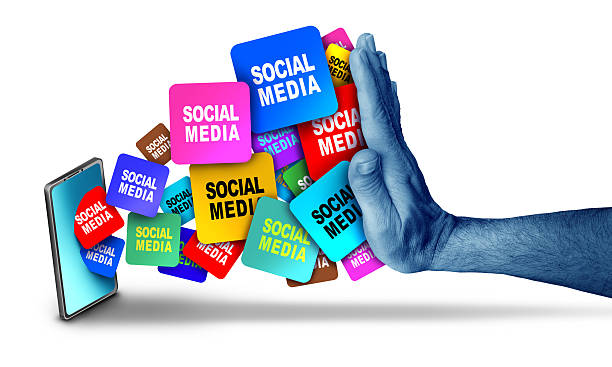
Kazakhstan’s proposed ban on under-16 social media registration is a response to escalating teenager mental health worries, with the country’s authorities citing cyberbullying and online harm as major concerns.
The decision comes after a growing number of Kazakh teenagers have reported experiencing mental health issues linked to excessive social media use. This move could mark a significant shift in the country’s stance on regulating the internet for minors, with implications for other countries to consider the impact of social media on youth mental health.
Kazakhstan’s government claims that social media networks are failing to adequately address the spread of cyberbullying, online harassment, and other forms of toxic content that can have a devastating effect on young people’s lives. As a result, authorities are considering implementing stricter regulations that would prohibit children under 16 from creating social media accounts.
A Global Concern
The World Health Organization has also raised concerns about the potential link between excessive social media use and increased rates of depression, anxiety, and other mental health issues in teenagers worldwide. The WHO recommends that children and adolescents limit their screen time and engage in regular physical activity to maintain good mental health.
Other countries, including the UK and the US, have introduced measures to protect teenagers from the negative impacts of social media, such as age verification systems and restrictions on certain types of content. However, some experts argue that these measures are not enough and that a complete ban on under-16 social media registration is necessary.
Cyberbullying and online harassment can have serious consequences for teenagers, including isolation, decreased self-esteem, and even suicidal thoughts. By introducing a ban on under-16 social media registration, Kazakhstan is trying to take a proactive approach to addressing these issues and protecting the mental health of its young citizens.
A Regulatory Model?
While the proposal to ban under-16 social media registration may be seen as drastic, it could potentially set a regulatory model for other countries to follow. As the issue of social media’s impact on youth mental health continues to gain attention, governments may be forced to re-examine their existing laws and regulations.
What this means: If implemented, a ban on under-16 social media registration could serve as a catalyst for other countries to reassess their approach to regulating the internet for minors. Kazakhstan’s decision highlights the need for a more proactive and comprehensive approach to addressing the potential risks associated with social media use among teenagers.