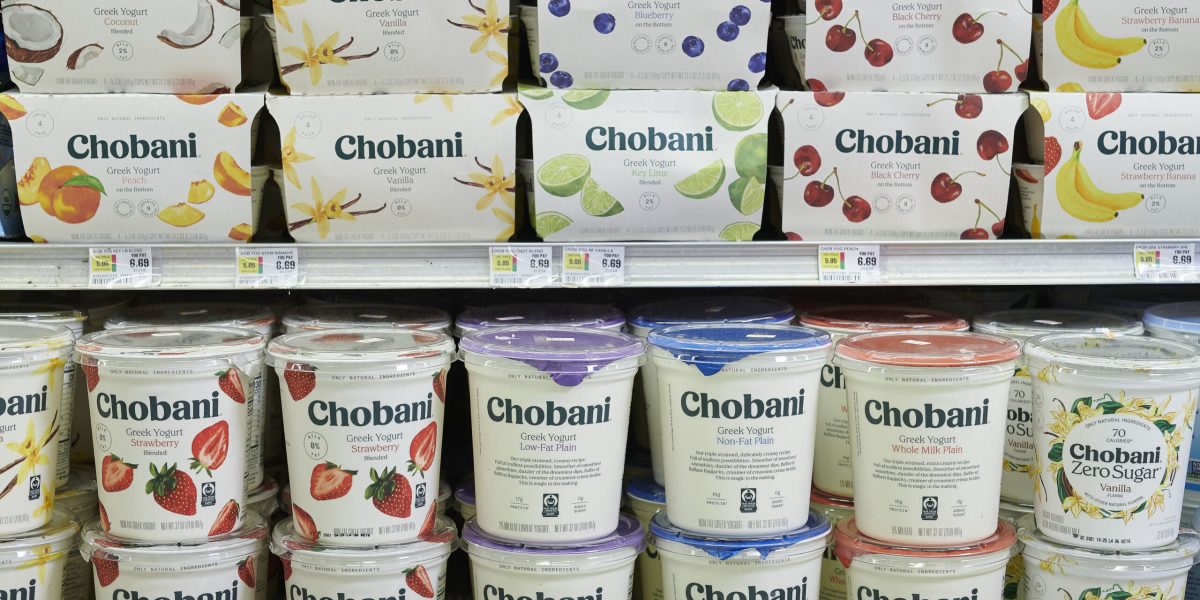
A US lawsuit has kicked off a battle over the truth in high-protein yogurt labels, with Danone’s US subsidiary taking on Chobani in court.
The Case Against Chobani
Danone’s lawsuit accuses Chobani of misrepresenting the amount of protein in its popular high-protein yogurt products. The complaint alleges that Chobani’s serving sizes are too small, allowing it to artificially inflate protein content per serving. According to the lawsuit, Chobani’s labels claim 20-25 grams of protein per serving, but a closer look at the serving size reveals that it’s actually less than what’s required by industry standards.
The AI in Yogurt Labeling
While this lawsuit may seem like a battle between two yogurt giants, it’s also a test of how artificial intelligence is being used to shape consumer perceptions. Chobani’s use of AI-powered labeling has allowed it to create more attractive and misleading labels, according to the lawsuit. This raises questions about the role of AI in food labeling and whether companies are using these tools to deceive consumers.
The lawsuit also highlights the complexity of food labeling regulations, which are often ambiguous and open to interpretation. As consumers become increasingly health-conscious and tech-savvy, companies are using AI to create labels that are both informative and persuasive. But what happens when these labels are misleading or deceptive?
What This Means
For consumers, this lawsuit serves as a reminder to always check the fine print and do their own math when it comes to food labeling. It’s also a warning about the dangers of relying on AI-powered labeling, which can be manipulated to create misleading or deceptive claims. As the use of AI in food labeling becomes more widespread, consumers need to be vigilant and demand transparency from companies.
In this case, the outcome of the lawsuit will ultimately depend on how the court interprets food labeling regulations and the use of AI in creating labels. But one thing is clear: the battle over high-protein yogurt labels is just the beginning of a larger conversation about the role of AI in shaping consumer perceptions and protecting public health.