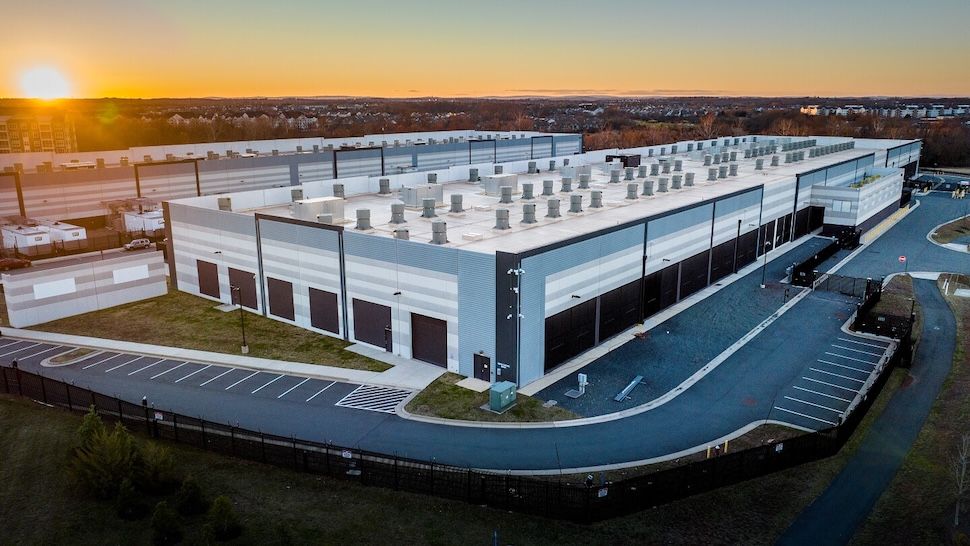
A whopping 517 out of 809 planned US data centers are being built in areas that have been hit by drought over the last year, according to a new study.
Water Scarcity and Power Suppression
These drought-prone locations pose significant risks to the data centers’ water and power supplies, sparking concerns over the long-term feasibility of such projects.
Direct data center cooling, which involves using water to cool IT equipment, is a major factor in water usage. This water is typically sourced from nearby rivers or groundwater, which could become increasingly scarce as droughts intensify.
The study also highlights the strain on power supply, as data centers require large amounts of electricity to operate. The US is already experiencing power grid strain, and building data centers in these areas may worsen the situation.
Regulatory Scrutiny Grows
The situation is drawing attention from US regulators, who are reevaluating data center proposals to ensure they adhere to stricter environmental and energy standards.
The Federal Energy Regulatory Commission (FERC) is working with state and local authorities to develop new guidelines for data center development in drought-prone areas.
The Commission’s director, Jonathan Elkind, emphasized the need for data center developers to prioritize water conservation and renewable energy sources in their operations.
What this Means
The data center industry’s expansion into drought-hit areas may have significant long-term consequences for power and water supply. As the demand for cloud services continues to grow, developers must find ways to mitigate these risks and adhere to stricter environmental standards.
This could mean investing in more water-efficient cooling systems or shifting to on-site renewable energy generation, such as solar or wind power.
Ultimately, the sustainability of data centers in these areas will depend on the industry’s ability to adapt and innovate in the face of environmental challenges.