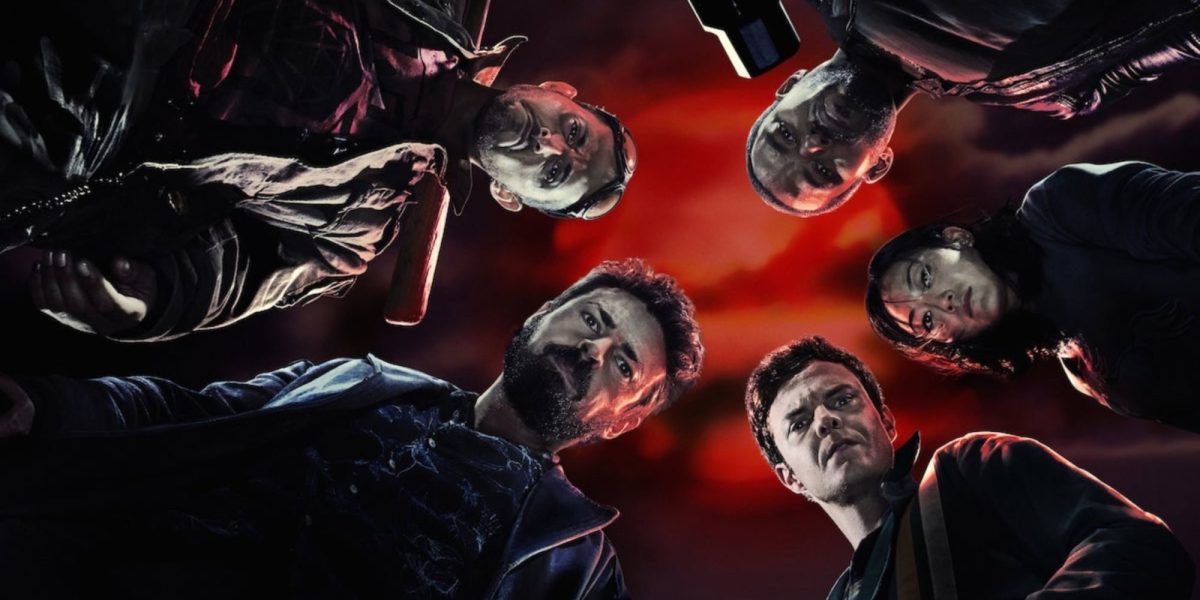
Showrunner Eric Kripke’s The Boys has left an indelible mark on the world of television, and fans are still reeling from the impact of its explosive conclusion. But what drove Kripke to create this twisted, subversive take on the superhero genre? We’re getting a glimpse into his initial pitch, which reveals the spark that ignited this dark and irreverent series.
Kripke’s Original Pitch: A Sneak Peek
Kripke shared his earliest pitch for The Boys on social media, and it’s a fascinating look at the show’s origins. The pitch, which would eventually become a hit Amazon series, began with the question: “What if superheroes were just like the rest of us?” This simple yet provocative idea laid the groundwork for a world where the powerful and the corrupt were indistinguishable.
Kripke’s pitch highlighted the corrupting influence of power, particularly when it falls into the hands of self-serving individuals. He wanted to explore the darker aspects of human nature, where the pursuit of power and control becomes an all-consuming force. This vision ultimately led to the creation of characters like Homelander (Antony Starr) and his crew, whose twisted antics captivated audiences worldwide.
A World Without Heroes
Kripke’s original pitch also touched on the notion of a world without heroes, where the people we look up to as role models are actually flawed and morally bankrupt. This concept speaks to a broader commentary on society, where the lines between good and evil are constantly blurred. By subverting the traditional superhero narrative, Kripke created a space for uncomfortable truths and unflinching critiques of our own institutions.
What This Means
The original pitch for The Boys serves as a testament to Kripke’s vision and the themes that drove this series. By tackling complex issues like power, corruption, and the human condition, Kripke created a show that resonated with audiences on a deeper level. As we move forward, it’s clear that Kripke’s influence on television will be felt for years to come, inspiring a new generation of creators to push the boundaries of storytelling and challenge our assumptions about the world around us.