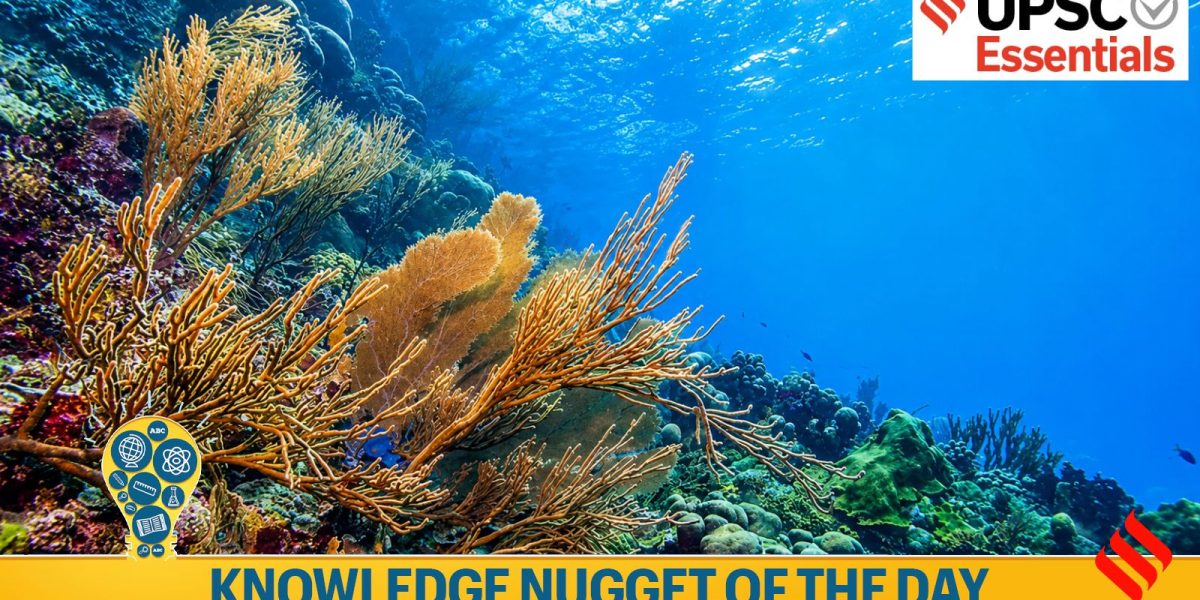
Scientists at the Zoological Survey of India, ZSI, have identified four sites on the west coast of the Nicobar Islands where they plan to relocate coral colonies, a move aimed at preserving these crucial ecosystems. What exactly is coral translocation, and why are coral reefs considered one of the most valuable ecosystems on the planet?
Coral Reefs: The “Rainforest of the Sea”
Coral reefs are often referred to as the “rainforest of the sea” due to the incredible biodiversity they support. Home to an estimated 25% of all marine species, coral reefs are a vital component of the world’s oceans. These underwater ecosystems provide essential habitat for countless fish, crustaceans, and other marine life, supporting commercial fisheries and tourism industries. In fact, coral reefs generate around $30 billion annually in economic benefits through tourism and fishing alone. Strong **Coral reefs are also vital for coastal protection, with estimates suggesting they protect up to 10% of the world’s coral reefs from wave damage.
Why Move Coral Colonies?
So, why is it necessary to relocate coral colonies? Coral reefs are facing unprecedented threats from climate change, pollution, and overfishing. Rising sea temperatures are causing mass coral bleaching events, while coastal development and pollution are further eroding these delicate ecosystems. By relocating coral colonies to areas with more favorable conditions, scientists hope to increase the chances of their survival and even growth. This process is often referred to as “assisted migration.”
What This Means for Conservation Efforts
The coral translocation effort in the Nicobar Islands is an important step in preserving these vital ecosystems. By relocating corals to areas with more suitable conditions, scientists can potentially increase their chances of survival. This initiative highlights the importance of conservation efforts aimed at protecting coral reefs, which are crucial not only for the environment but also for local communities that rely on them for livelihoods. The UPSC has previously highlighted the significance of coral reef conservation in its exams, and as the world grapples with the challenges of climate change, it’s more crucial than ever to prioritize the preservation of these natural wonders.
This conservation effort can serve as a model for similar initiatives around the world. By working together, we can protect these incredible ecosystems and ensure their continued contribution to the health of our oceans and the planet as a whole.