A South Korean pension fund’s decision to pause rebalancing its massive portfolio sent shockwaves through the country’s stock market, highlighting the outsized influence that institutional investors now wield in global markets.
Pivotal Move
The National Pension Service, which manages more than $500 billion in assets, temporarily suspended portfolio rebalancing, a move that sent the KS11 stock index plummeting by 4% in a single day, according to Barclays Plc, a British multinational investment bank.
Rebalancing is a process by which fund managers maintain the target asset allocation within a portfolio by buying or selling securities to keep it in line with their investment strategy. In this case, the suspension of rebalancing allowed the fund to accumulate even more shares in some of the country’s most heavily traded stocks, which then fueled a sharp sell-off in the market.
Market Volatility
Much of the volatility in the Korean market can be attributed to the National Pension Service‘s (NPS) sheer size and influence. With assets of over $500 billion, the NPS is one of the largest institutional investors in the country. When the fund makes a move, it can have a profound impact on the market.
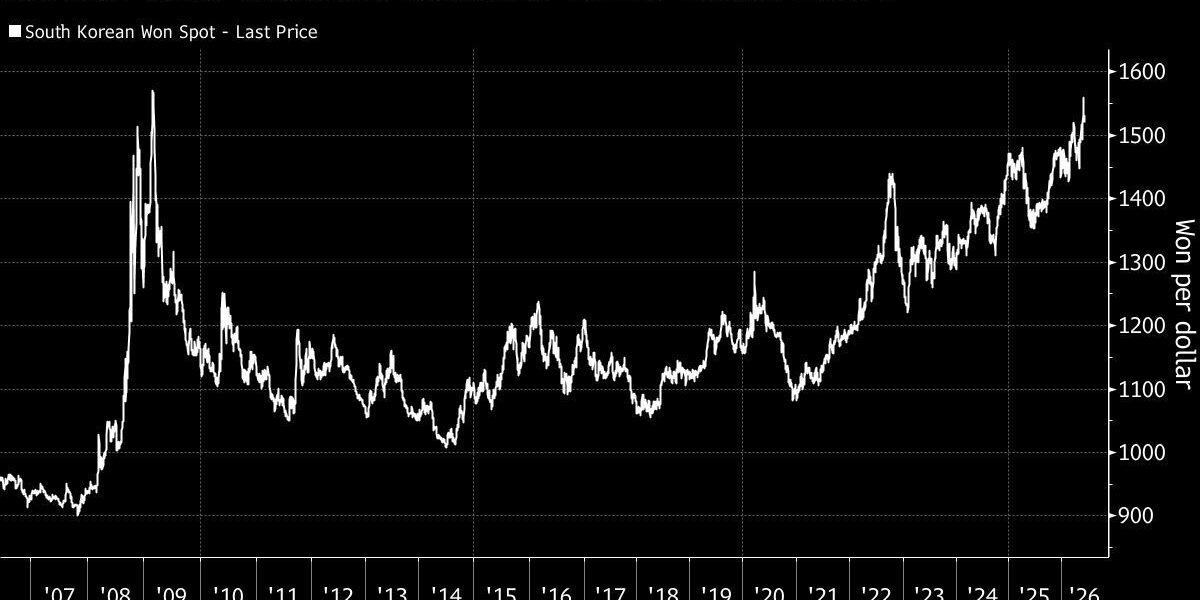
According to Barclays, the NPS’s actions are adding pressure on the won, South Korea’s currency, which has already been under pressure due to a decline in exports and a widening trade deficit.
What this means
The National Pension Service’s move serves as a reminder of the significant sway that institutional investors now hold in global markets. As these investors continue to grow in influence, we can expect to see even more market volatility in the future.
For individual investors, this means being prepared for rapid price swings and potentially staying on the sidelines until the market stabilizes. For policymakers, it highlights the need to re-examine regulations governing the activities of institutional investors to prevent market distortions.