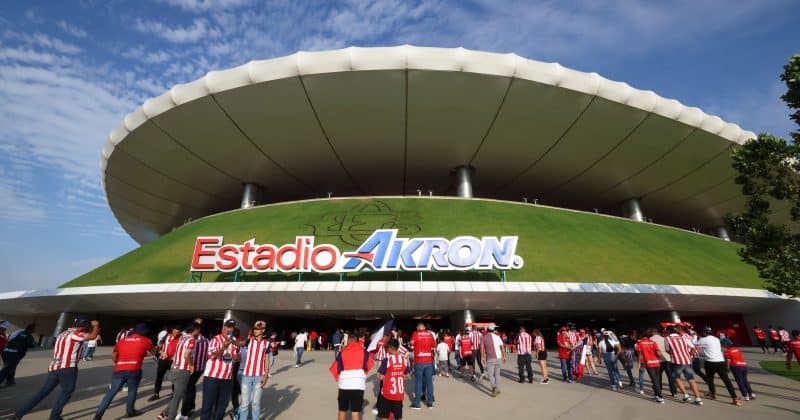
For the first time ever, FIFA is installing custom natural-grass pitches at all 16 host stadiums for the highly anticipated 2026 World Cup. This major undertaking promises to set a new benchmark for match-day surfaces, with significant implications for athlete performance and global sporting events.
A Huge Conversion Effort in the Works
Eight of the participating venues currently use artificial turf, which means a massive conversion effort is underway. To achieve this, FIFA is collaborating with experts in hybrid grass technology and university-led agronomic research. This cutting-edge approach combines the benefits of natural grass with the durability of artificial turf, allowing for consistent play across the entire tournament.
The use of natural grass pitches will undoubtedly benefit players and fans alike. Studies have shown that athletes perform better on natural surfaces, with improved traction and reduced risk of injuries. Additionally, the aesthetic appeal of lush, green grass will undoubtedly enhance the overall fan experience.
A New Standard for Sporting Events
The 2026 World Cup custom grass initiative could have far-reaching consequences for the world of sports. As FIFA sets a new standard for pitch quality, other organizations and event organizers may follow suit. This raises questions about the long-term viability of artificial turf and whether it’s still a viable option for high-level competitions.
This development also highlights the importance of partnerships between governing bodies, researchers, and industry experts. By combining forces, FIFA has managed to overcome the challenges associated with installing natural grass pitches on a massive scale. This collaborative approach could lead to innovations and best practices that benefit the broader sports community.
What This Means for Fans and Athletes
The installation of custom natural-grass pitches at the 2026 World Cup will undoubtedly elevate the player experience and fan satisfaction. With better traction, reduced injury risk, and a more appealing visual atmosphere, the tournament is poised to deliver unforgettable moments for all involved. As the soccer world continues to evolve, it’s clear that a commitment to quality infrastructure will be essential for future global sporting events.