Ash Koosha’s 74-minute film ‘Dreams of Violets’ at Tribeca 2026 marks a major milestone in the integration of AI technology into filmmaking. The entire feature was generated using artificial intelligence, leaving many to ponder what this means for the future of storytelling.
An AI-Generated Film
The elephant in the room is undeniable – ‘Dreams of Violets’ was created entirely by neural networks, with no human input or direction beyond initial parameters. Writer-director Ash Koosha’s vision was programmed into the system, and the AI took it from there. The result is a visually striking, if somewhat disjointed, film that raises more questions than answers.
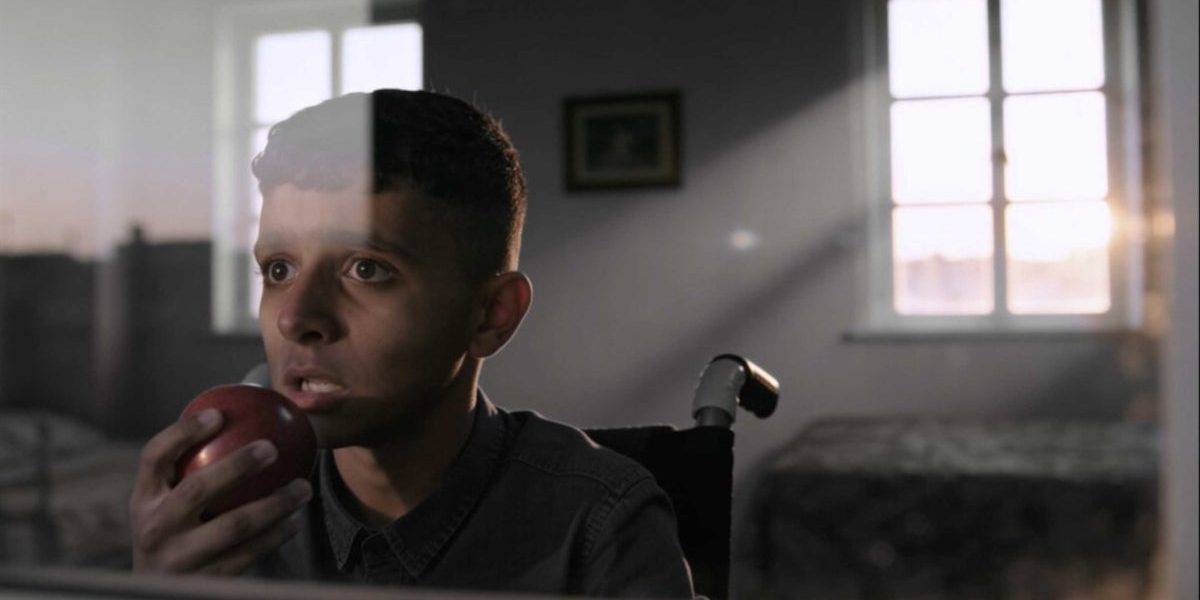
Visually, the AI-generated imagery is striking, with a unique and often unsettling aesthetic that recalls the works of David Lynch and the surrealist masters. The film’s color palette is vibrant and distorted, and the camerawork is inventive and often disorienting. However, the pacing and narrative are somewhat clunky, with characters and plot developments feeling contrived and artificial.
A Worrisome Future?
The most significant aspect of ‘Dreams of Violets’ is its implications for the future of storytelling. If a feature-length film can be generated by a machine, what does this mean for the role of human creators? Will AI-generated content become the dominant force in entertainment, relegating human artists to secondary status?
These are questions that the film industry will need to grapple with in the coming years. While ‘Dreams of Violets’ is not a compelling work in and of itself, it serves as a harbinger of a future where AI-generated content may become increasingly prevalent. This is a worrisome prospect for many, but it also presents opportunities for new and innovative storytelling.
A Turning Point?
What this means in practical terms is that the industry will need to adapt and find ways to incorporate AI-generated content into the creative process. This could lead to new collaborations between humans and machines, with the former providing the spark and the latter fleshing out the details. Alternatively, it could result in a homogenization of styles and a loss of human touch.
The future is uncertain, but one thing is clear – ‘Dreams of Violets’ is a turning point in the history of filmmaking. It marks a moment where the boundaries between human and machine are becoming increasingly blurred, and we can only speculate on the consequences of this shift.