FIFA’s Environmental Push Faces Water-Intensive Natural Grass Dilemma at 2026 World Cup Hosts
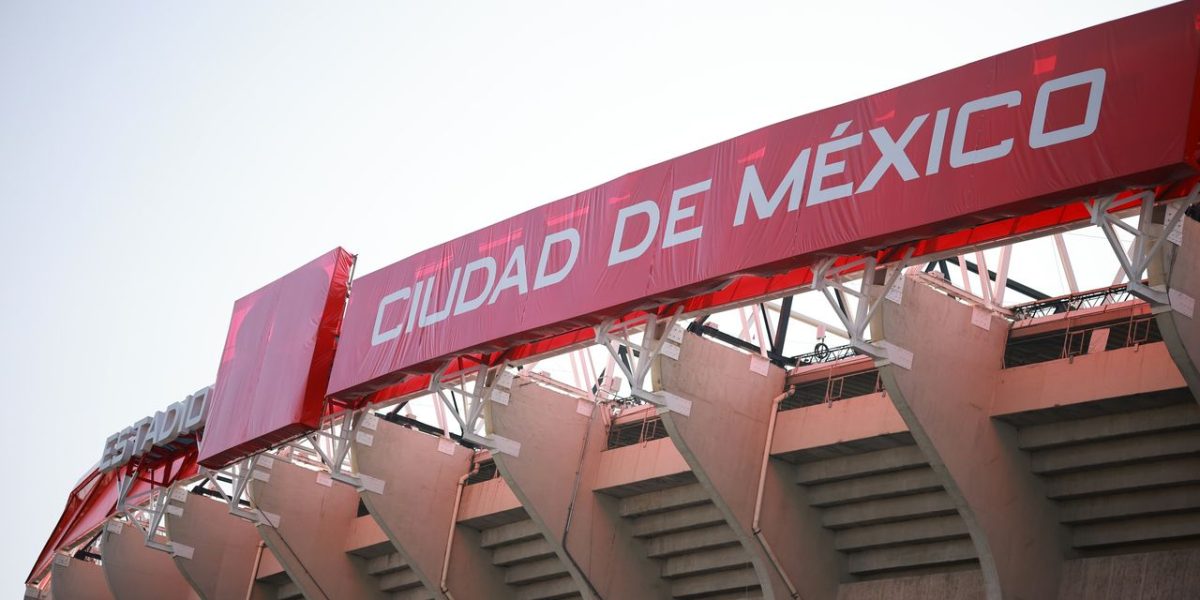
Mexican World Cup stadiums have just achieved FIFA’s coveted environmental certification, but the process came with its own set of challenges – specifically, balancing environmental concerns with the need for natural grass.
Stadiums hosting the 2026 World Cup must meet high standards to obtain environmental certifications, but FIFA also requires that they use natural grass, which is notorious for being water-intensive to maintain. The BBVA Stadium, a host venue, took a major step in addressing this issue by transforming daily practices, including waste management.
A Water-Intensive Trade-Off
The use of natural grass is a major point of contention when it comes to environmental certifications, as it requires significant amounts of water to maintain. To combat this, many stadiums have turned to artificial turf, which consumes fewer resources. However, FIFA’s strict requirements stipulate that natural grass must be used at World Cup host venues.
A Holistic Approach to Sustainability
The BBVA Stadium took a holistic approach to sustainability by implementing new practices that extended beyond waste management. The stadium now uses solar energy, reduces water consumption through efficient irrigation systems, and has implemented a recycling program. While it’s unclear whether these efforts will set a precedent for other World Cup host venues, the BBVA Stadium’s commitment to sustainability serves as a model for future developments.
What this means: The use of natural grass at World Cup host venues underscores the tension between environmental concerns and FIFA’s regulations. As the world moves towards greater sustainability, it’s essential to weigh these competing interests and find solutions that balance competing demands.
Sustainability Standards for 2026 World Cup Hosts
FIFA’s sustainability standards for the 2026 World Cup aim to reduce the tournament’s carbon footprint by 50% compared to the 2018 event in Russia. To achieve this goal, host stadiums must not only use natural grass but also implement sustainable practices such as energy-efficient lighting, reduced water consumption, and a comprehensive waste management system.
Ambitious Goals Ahead
While Mexican World Cup stadiums have met FIFA’s environmental certification requirements, the journey to a more sustainable future is just beginning. As the 2026 World Cup approaches, host venues will need to continue to push the boundaries of sustainability and find innovative solutions to the challenges presented by FIFA’s regulations.