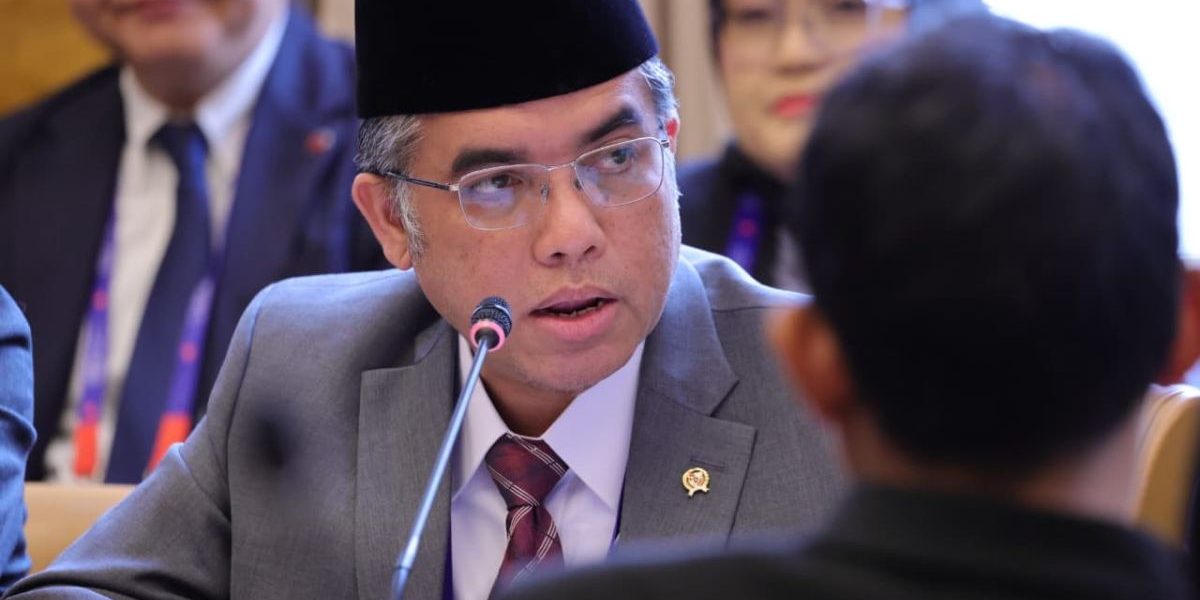
Indonesian Manpower Minister Yassierli wants Asia-Pacific nations to team up on future workforce skills training to tackle the disruption caused by technology. The move comes as automation and AI increasingly replace low-skilled jobs, leaving workers without essential skills.
Skills mismatch threatens jobs
The World Economic Forum predicts that by 2022, more than a third of the global workforce will need reskilling or upskilling to remain employable. Indonesia, like many other countries in the Asia-Pacific region, is grappling with this issue. The country’s rapid industrialization and investment in manufacturing have created jobs, but often in low-skilled sectors that are vulnerable to automation.
Indonesian Manpower Minister Ida Fauziyah (not Yassierli) explained, “The changing nature of work requires us to focus on developing skills that are adaptable, transferable, and relevant to the emerging economy.”
Regional cooperation a must
Yassierli, the Minister of Manpower, called for greater collaboration among Asia-Pacific nations to develop and standardize skills training programs. This regional cooperation would enable workers to easily move between countries and industries, reducing the skills mismatch and increasing adaptability.
The minister emphasized, “By working together, we can address the root causes of the skills mismatch and ensure that our workers have the skills they need to succeed in the digital economy.”
Implications for workers
The call for regional cooperation on skills development has significant implications for workers in the Asia-Pacific region. It means that governments and employers will need to invest in training programs that focus on emerging technologies like AI, data analysis, and cybersecurity.
What this means for workers is that they’ll need to be proactive in acquiring new skills to remain competitive. Employers, too, will need to prioritize reskilling and upskilling their existing workforce to stay ahead in the changing job market.
For Indonesia, this is a critical step towards creating a more inclusive and adaptable workforce that can thrive in the digital age. With regional cooperation and a focus on emerging technologies, Indonesia aims to develop a workforce that is prepared for the challenges and opportunities of the future.