**York Archaeologists Uncover 2,600-Year-Old Brain Tissue, Revolutionizing Ancient DNA Analysis**
A team of researchers in York, England, made an astonishing archaeological discovery in 2008 when they unearthed a remarkably preserved brain from a man who met a violent end during the Iron Age. The ancient brain tissue, estimated to be over 2,600 years old, has been found to contain protein structures that could potentially be decoded, providing an unprecedented look into the life and death of an individual from Iron Age Britain.
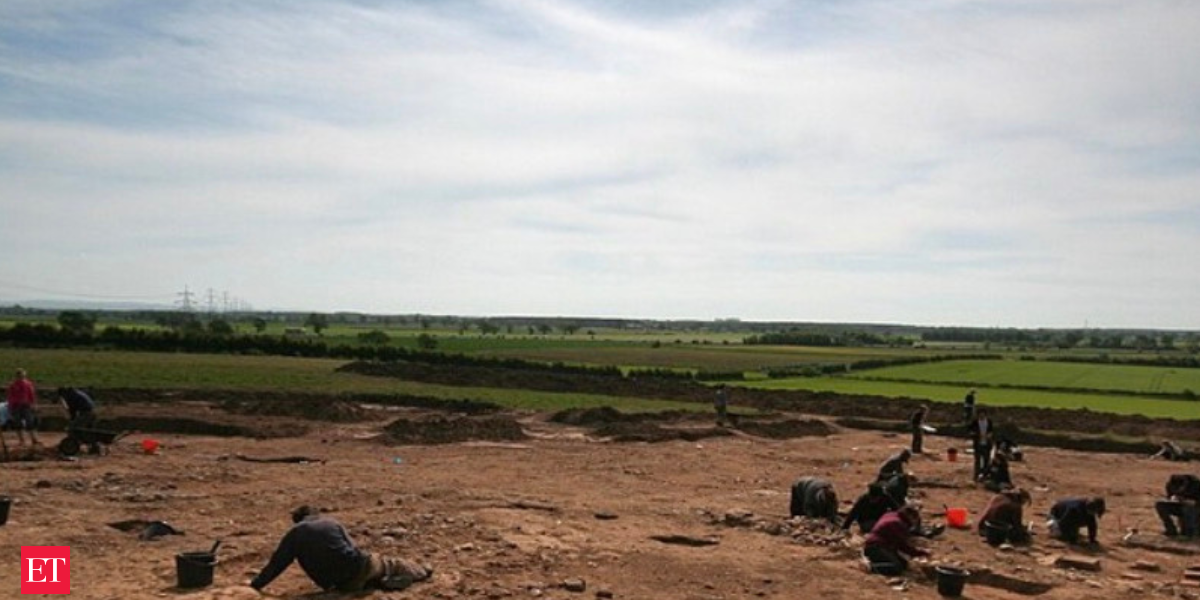
The excavation at Heslington, a former Roman settlement, was a typical archaeological find – bones were expected, not brains. But the discovery of brain tissue has opened up new avenues for research, particularly in the field of ancient DNA analysis.
The brain tissue, which was found to contain structures similar to those found in modern human brains, is a treasure trove of information for scientists. By analyzing the protein structures, researchers can gain insights into the individual’s diet, lifestyle, and environmental conditions, as well as provide a unique perspective on the genetic diversity of ancient populations.
**Analyzing Ancient Brain Tissue: A New Frontier**
The preservation of the brain tissue is a remarkable feat, considering the harsh conditions under which it was buried. The soft tissue was likely protected by the acidic environment of the wet pit, which helped to slow down the decay process. This exceptional preservation makes it possible to extract and analyze the ancient DNA, providing a unique opportunity to study the human brain across different time periods.
**What This Means**
The discovery of the 2,600-year-old brain tissue has significant implications for the field of archaeology and ancient DNA analysis. By unlocking the secrets of the brain, researchers can gain a deeper understanding of human history and evolution, and potentially even shed light on the origins of human disease.
**A New Chapter in Ancient DNA Research**
The Heslington brain is a testament to the importance of continued archaeological research and the potential for groundbreaking discoveries. As scientists continue to analyze the ancient DNA and protein structures, we can expect to learn more about the lives of our ancestors and the events that shaped human history.
The preservation of the brain tissue is a remarkable achievement, and its analysis has the potential to revolutionize our understanding of ancient populations and the human brain.