**TikTok Shop Takes Aim at AI Voices in Livestreams**
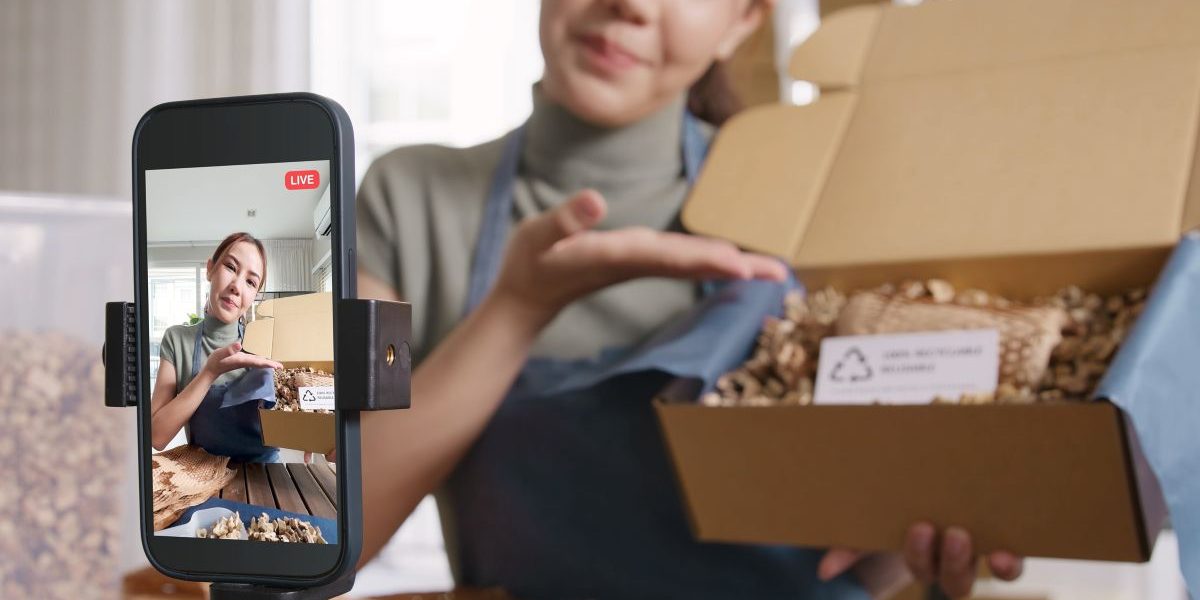
TikTok Shop, the e-commerce arm of the popular social media platform, has just banned artificial intelligence-generated voices, prerecorded audio and static-image content from promotional livestreams and shoppable videos.
The move is seen as an effort to maintain the authenticity and human touch that has become synonymous with the TikTok brand. Since its launch, TikTok Shop has been at the forefront of social commerce, allowing users to seamlessly shop for products directly from the app.
**What this means**: This ban essentially means that AI-generated voices will no longer be able to pitch products or services to viewers, which could impact the use of voice synthesis tools like Vocaloid or WaveNet.
TikTok Shop’s decision to draw a hard line between AI as a production tool and AI as a customer-facing salesperson reflects the company’s commitment to human interaction and transparency. With the rise of AI-generated content, there’s been growing concern about the potential for manipulated or deceptive marketing practices.
The ban applies to all promotional livestreams and shoppable videos, meaning that users and businesses will need to rely on real human voices to sell their products. This move is likely to impact brands that had been experimenting with AI-generated voices, but it may also have a more significant impact on smaller creators who often rely on AI tools to produce content.
**Consequences for Creators**
While the ban may be seen as a move to protect users from AI-generated content, it could also limit the creative possibilities for creators. Many had been using AI-generated voices to add a touch of flair to their videos or to create engaging audio narratives.
The ban is likely to have a mixed reception among creators, with some welcoming the move as a way to maintain authenticity and others seeing it as a constraint on their creative freedom.
**What’s Next**
TikTok Shop’s decision to ban AI-generated voices, prerecorded audio and static-image content sets a precedent for other social media platforms to follow. As AI-generated content continues to rise, it will be interesting to see how other companies balance the use of AI as a production tool with the need for human touch and authenticity.