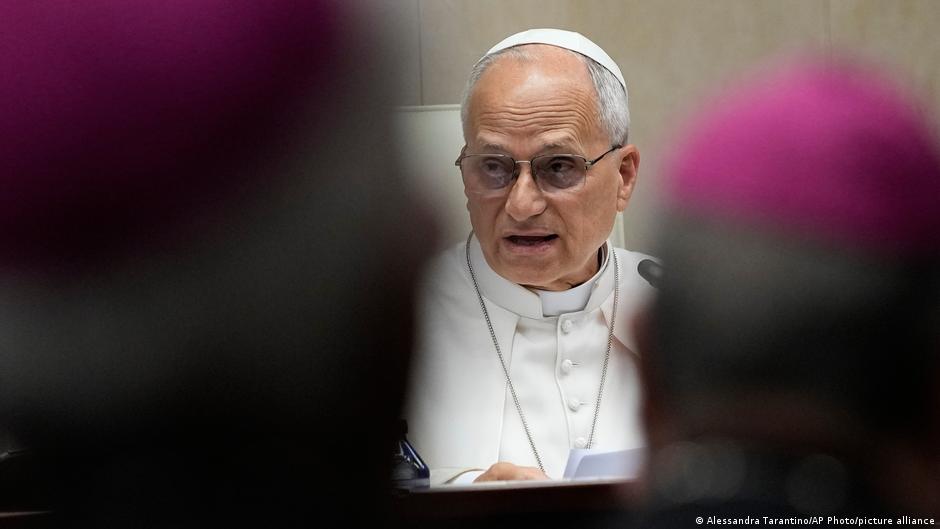
**Pope Leo XIV Pressures Spain’s Church to Prioritize Abuse Victims**
Pope Leo XIV is using his influence to push the Catholic Church in Spain to take action against clergy abuse.
A recent meeting with Catholic bishops in Spain is the latest development in the pope’s efforts to combat the “scourge of abuse.” The pope specifically called on the Church to listen to, and offer reparations to, those who have been victimized. This move comes as part of a broader push to create a “culture of care” within the institution.
Pope Leo XIV emphasized the importance of empathy and understanding in his address, reiterating his commitment to the dignity of all people. This includes migrants, who he urged should be treated with compassion and respect. The meeting with Spanish parliament later in the day served as a platform for the pope to further highlight these values.
The Catholic Church has faced mounting criticism for its handling of clergy abuse cases worldwide. Critics argue that the institution has consistently prioritized its own reputation over the well-being of victims. By calling for reparations and a culture of care, Pope Leo XIV may be attempting to shift the narrative and demonstrate a genuine commitment to change.
**What this means**: The emphasis on listening to and supporting abuse victims suggests that the Church may be willing to take steps towards accountability. While this is a promising development, it remains to be seen whether these efforts will translate into concrete action and meaningful reform. As Pope Leo XIV continues to push for change, the international community – and survivors of abuse – will be watching closely.
**A Call for Transparency**
One of the key challenges facing the Catholic Church is a lack of transparency in its handling of clergy abuse cases. Many victims have reported feeling silenced or dismissed by Church officials, leading to widespread distrust. By prioritizing reparations and listening to victims, Pope Leo XIV aims to create a more open and accountable environment. This could be a crucial step towards healing and reconciliation for those affected by abuse.