AI’s Hidden Labor Conundrum: A Blue-Collar Bottleneck
The construction of 700 new AI data centers in the United States is putting a strain on the nation’s power grid, and it’s not just techies who are needed to fix the problem.
As AI adoption surges, so does the demand for massive computing power – and that’s straining local infrastructure. In New Carlisle, Indiana, a small town near Amazon’s AI data center, residents are facing power outages, grid malfunctions, and rising electricity rates. It’s a problem that will require a blue-collar workforce to fix.
Unskilled Workers Overwhelmed
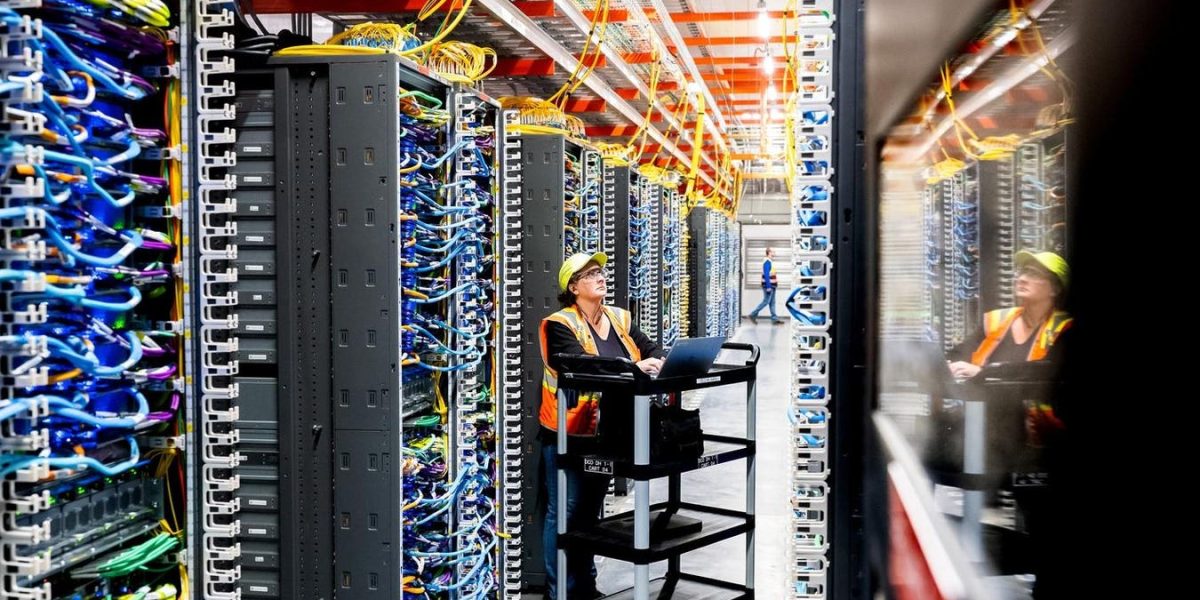
Meet the men and women who keep the lights on: electricians, line workers, and other skilled infrastructure professionals. They’re the unsung heroes of the AI revolution, but they’re not getting the attention they deserve. The boom in AI data centers requires a massive workforce to install, maintain, and upgrade the electrical infrastructure – and that’s putting pressure on an already tight labor market.
A Crisis of Attrition and Training
According to the Bureau of Labor Statistics, the electrical power-line installer job market is expected to grow 20% by 2030, much faster than the average for all occupations. However, the field is also plagued by high rates of attrition, with many workers retiring or leaving the industry due to hazardous conditions and lack of career advancement opportunities. This perfect storm is creating a bottleneck in the workforce, making it difficult for data centers to find qualified workers to install and maintain their electrical infrastructure.
The shortage of skilled personnel is forcing companies to think creatively, investing in apprenticeship programs, vocational training, and partnerships with local trade schools to attract and retain top talent. The solution won’t be easy, but one thing is clear: the AI boom’s blue-collar conundrum will only be solved by giving these essential workers the attention and resources they deserve.
**What this means**: As the demand for AI continues to grow, don’t be surprised if the next “tech talent shortage” headlines start talking about electricians and line workers rather than software developers. It’s time to shine a light on the unsung heroes of the AI revolution – the workers who keep the lights on and the data centers humming.