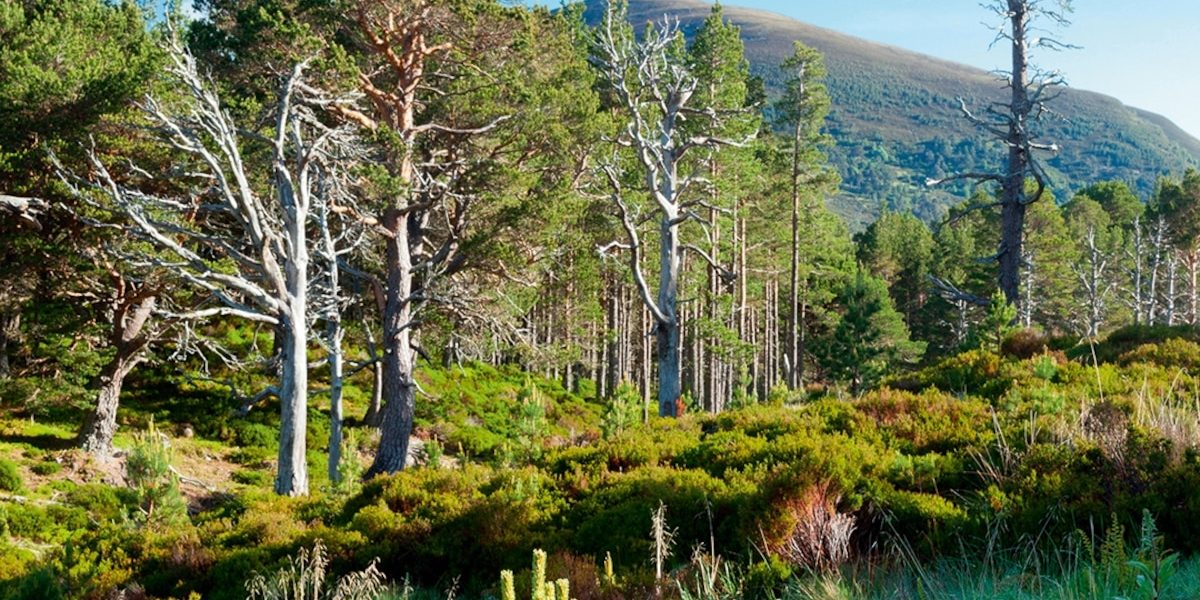
The rewilding of once-exploited environments in Africa’s Masai Mara National Reserve is a testament to the remarkable regenerative powers of nature. Esteban Brenes-Mora, a conservation biologist working for the environment organization the Wildlife Conservation Society, recently shared his observations on the area’s ecological rebirth.
African Conservation Success Story
Spanning over 1,500 square kilometers, the Masai Mara is one of Africa’s most celebrated wildlife reserves. Decades of overhunting and land degradation had pushed many species to the brink of extinction, but concerted conservation efforts have seen significant recoveries in populations of lions, elephants, and cheetahs.
“We’ve seen an increase in large carnivore populations, which is a great indicator of ecosystem health,” explains Brenes-Mora. “The Mara’s grasslands and woodlands now support a thriving community of wildlife, and tourism plays a vital role in sustaining this ecological regeneration.”
Tourism Boosts Rewilding Efforts
Safari tourism has long been a crucial source of revenue for conservation initiatives in Africa. In the Masai Mara, responsible tourism practices have encouraged visitors to respect the natural habitats and wildlife, which in turn has allowed the ecosystem to flourish.
Guided tours and wildlife viewing experiences enable tourists to witness the Mara’s dramatic landscape transformations firsthand. From the lush forests and grasslands that blanket the reserve to the majestic herds of wildebeest, the Mara is a compelling example of ecological restoration.
Conservation Momentum Gains Pace
Esteban Brenes-Mora believes that continued support for conservation efforts will propel the rewilding process forward. As ecosystems like the Masai Mara continue to heal, they become more resilient to disturbances such as climate change and habitat fragmentation.
“Nature’s ability to bounce back never stops amazing me,” Brenes-Mora says. “Rewilding efforts are gaining momentum, and with a focus on collaborative conservation and sustainable development, we can safeguard the future of these incredible ecosystems.”
What this means: The Masai Mara rewilding success story serves as a powerful model for ecological regeneration and highlights the essential role of tourism in supporting conservation efforts. By fostering responsible engagement with nature, we can accelerate the healing of once-exploited environments and safeguard biodiversity for future generations.