**Government Intervention in Energy Sought Amid Oil Dependence**
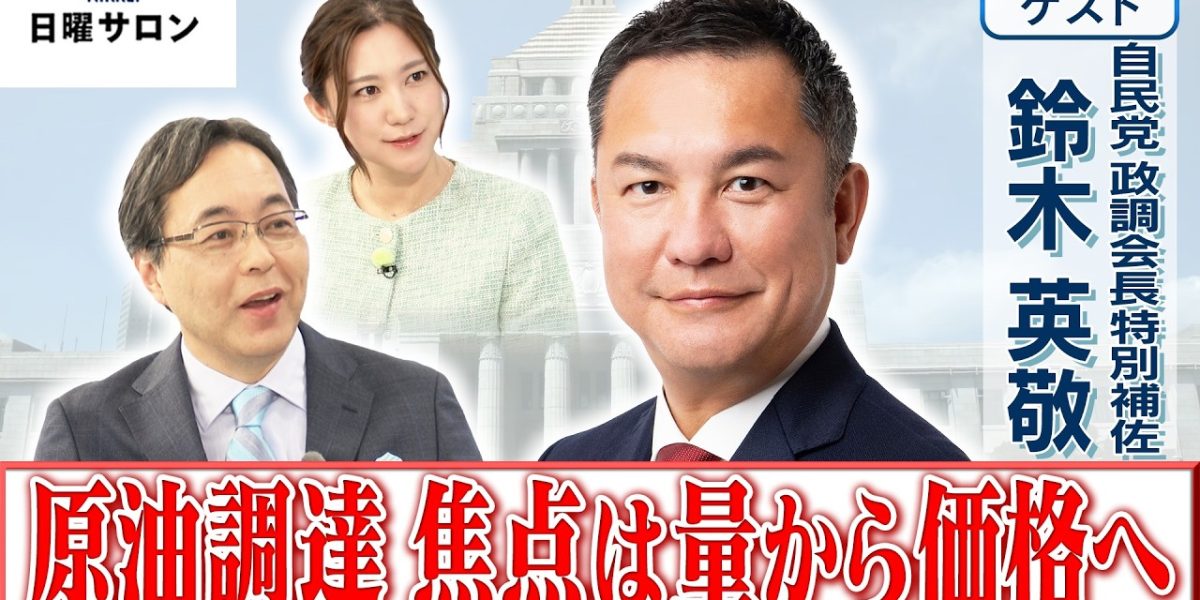
Former LDP Policy Adviser Eikei Suzuki has sounded the alarm on Japan’s energy policy, warning of the country’s over-reliance on Middle Eastern oil and pushing for a more proactive government role.
Suzuki, a former Governor of Mie Prefecture and Special Adviser to the Liberal Democratic Party’s Policy Research Council, has urged policymakers to take a more hands-on approach to energy procurement. This comes amidst rising concerns over Japan’s vulnerability to global energy market fluctuations.
**Japan’s Oil Dependence: A Major Vulnerability**
The country’s energy mix is still heavily reliant on imported oil, with the Middle East supplying a significant portion of its crude needs. Suzuki claims this dependence has been years in the making, resulting from inadequate investment in alternative energy sources and a lack of effective government intervention.
**Government Role: A Necessary Shift**
Suzuki proposes a stronger government role in guiding Japan’s energy policy. This could involve providing incentives for renewable energy projects, streamlining regulations to facilitate investment, and actively promoting the development of alternative energy sources. By taking a more proactive stance, the government could help reduce Japan’s dependence on foreign oil and improve the country’s energy security.
**What this means**
For consumers, a shift towards greater government intervention in energy policy could lead to lower prices and a more stable energy supply. A reduced reliance on imported oil would also help mitigate the economic impacts of global market fluctuations.
Suzuki’s call to action comes as Japan continues to grapple with the challenges of climate change, energy security, and economic growth. The government’s response will be closely watched, as policymakers seek to strike a balance between promoting alternative energy sources and maintaining economic stability.
Eikei Suzuki’s comments highlight the need for a comprehensive approach to energy policy in Japan. As the country seeks to reduce its dependence on Middle Eastern oil, a more active role for government in energy procurement is likely to play a critical part in shaping its energy future.