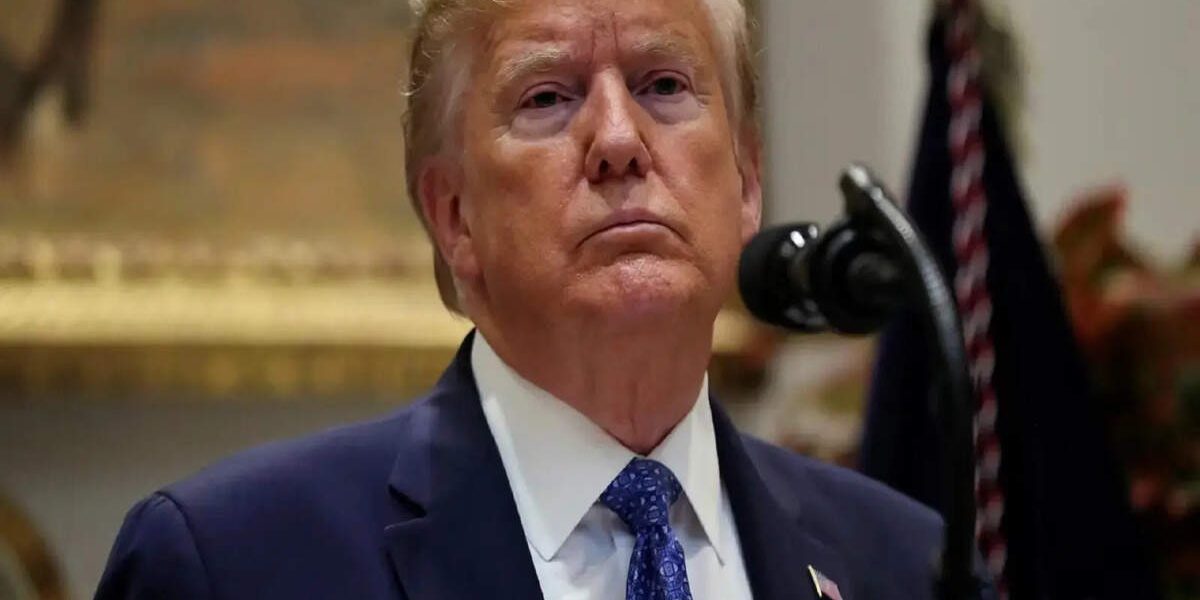
President Donald Trump has signed a memo requiring US national security agencies to work with multiple artificial intelligence (AI) providers, a move aimed at avoiding a repeat of the highly publicized dispute with AI startup Anthropic PBC.
The Anthropic-Pentagon Feud: What Went Down
The feud between Anthropic PBC and the Pentagon has been simmering for months, with the AI startup at the center of controversy regarding the handling and use of sensitive government information. As part of its AI research, Anthropic PBC was granted access to classified information, sparking concerns about the potential risks of data leakage and unauthorized disclosure.
The Memo: A Move Toward AI Diversification
The memo, signed by President Trump, explicitly states that US national security agencies must prioritize working with multiple AI providers to avoid relying on any single company. This move is seen as a bid to strengthen the security of sensitive information and prevent a repeat of the controversy that surrounded Anthropic PBC. The directive also emphasizes the importance of ensuring that AI companies do not interfere with the chain of command within the agencies.
A key stipulation of the memo is that agencies must avoid working with companies that have a history of compromising the chain of command or mishandling sensitive information. This means that Anthropic PBC, and potentially other companies with similar issues, may be excluded from future collaborations with national security agencies.
What This Means
The memo marks a significant shift in the government’s approach to AI development and deployment, with a renewed emphasis on diversification and security. In practical terms, this means that national security agencies will have to explore multiple AI providers to meet their needs, rather than relying on a single vendor. This move is likely to impact the AI industry as a whole, with companies competing for government contracts and the opportunity to work with sensitive information.
It remains to be seen how the memo will be implemented in practice and what the long-term implications will be for the AI industry and national security agencies. However, one thing is clear: the government is taking a proactive approach to ensuring the security and integrity of sensitive information in the age of AI.