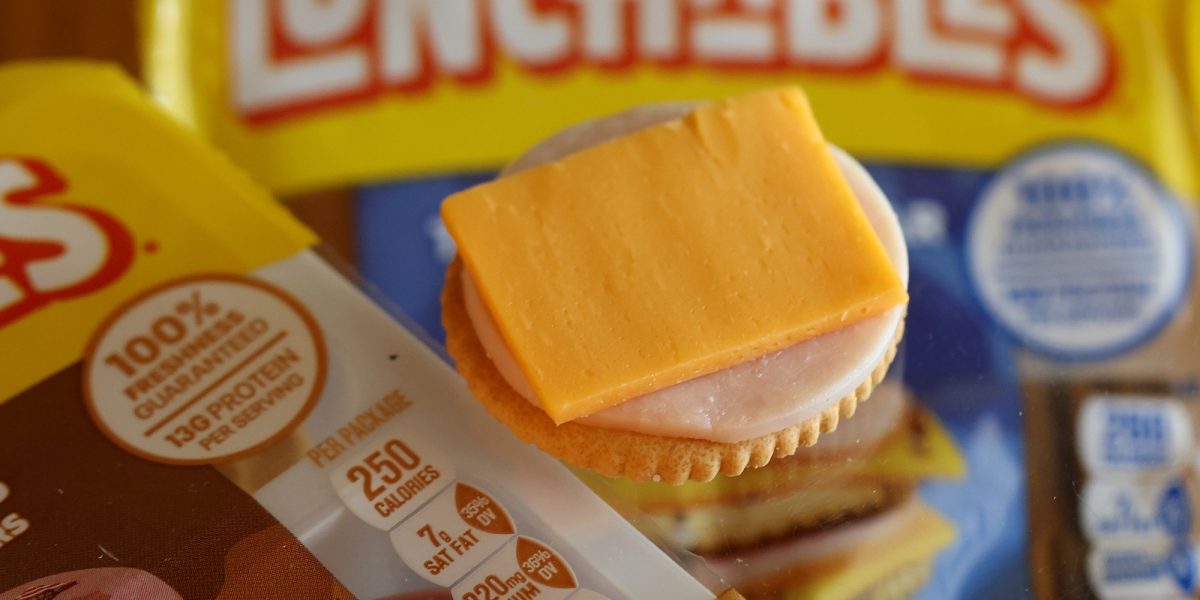
A massive new study in the American Journal of Public Health just dropped a bombshell: Philip Morris, the tobacco giant, used research it developed to hook smokers to create ultra-processed foods like Lunchables that are designed to be irresistibly tasty.
Researchers scoured through internal corporate documents acquired through lawsuits, and what they found is disturbing. It appears that Philip Morris’s food development team applied techniques borrowed directly from the company’s cigarette research to create ultra-processed foods that are incredibly hard to resist.
A Common Enemy: Sugar, Salt, and Fat
The team, led by researcher Julia R. Lehmann, discovered that Philip Morris engineered its ultra-processed foods to be “hyper-palatable” – meaning, they’re designed to activate the brain’s reward system in ways that are similar to cigarettes. These foods often contain high levels of sugar, salt, and fat, which are all key contributors to obesity, diabetes, and heart disease.
By understanding how humans respond to these ingredients, Philip Morris could manipulate the taste and texture of its foods to create a perpetual cycle of craving and consumption. This is a clever trick, but it’s one that comes at a terrible cost: the health of our children.
The Hook is Set
The documents reveal that Philip Morris was aware of the addictive potential of its ultra-processed foods, and it actively worked to create a product that would hook kids from a young age. Lunchables, in particular, were designed to be a convenient and attractive option for parents and kids alike – and the company’s research suggests that it was highly effective.
What this means: if you’re a parent, it’s time to take a closer look at the food you’re feeding your kids. Ultra-processed foods like Lunchables may be convenient, but they’re also engineered to be addictive – and that’s a recipe for disaster. By choosing whole, nutritious foods, you can help your kids develop healthier eating habits that will serve them well for the rest of their lives.
The Dark Side of Convenience
As the Philip Morris story shows, the pursuit of convenience can have some very dark consequences. By designing foods to be irresistibly tasty, companies like Philip Morris are essentially setting a hook for our kids – and it’s up to us as parents and consumers to be aware of the risks.
The study in the American Journal of Public Health is a wake-up call for anyone who cares about the health of our children. As we move forward, it’s essential that we prioritize whole, nutritious foods and avoid the temptation of ultra-processed convenience foods.