EU Taps Domestic Talent
European governments are breaking free from their reliance on US tech giants, opting instead for European digital tools, and it’s a move that’s sending shockwaves through the research community.
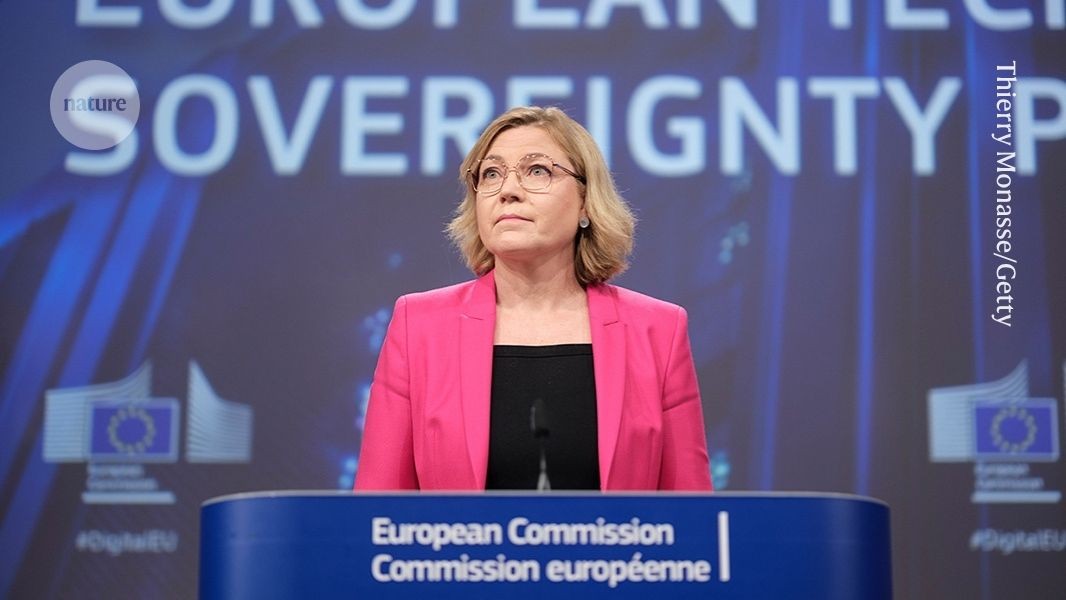
This shift in strategy is part of the European Tech Sovereignty Package, a comprehensive plan announced by Henna Virkkunen, executive vice-president for tech sovereignty, security, and democracy at the European Commission.
Security Concerns Spark Change
The decision to ditch US tech comes as no surprise, given the security concerns that have been growing for years. The likes of Google, Amazon, and Microsoft have been at the center of several high-profile data breaches, raising questions about the handling of sensitive information and the ability of these global players to protect users’ data.
The EU’s concerns have been further exacerbated by the revelations surrounding the Prism program, a US government initiative that allowed intelligence agencies to access data from tech giants. The implications have been far-reaching, with many experts warning that this kind of surveillance could compromise the security of European citizens.
What this means for researchers
This move will likely have far-reaching implications for researchers in the EU, who have long relied on US tech giants for various services and resources. As the EU looks to develop its own digital tools, researchers will need to adapt to a new landscape, one that prioritizes domestic talent and European solutions.
This shift will undoubtedly create opportunities for researchers to contribute to the development of European digital tools, but it may also lead to challenges, particularly for those who rely heavily on US-based services or have existing collaborations with US researchers.
The ultimate goal is to create a more secure and sovereign digital ecosystem, one that prioritizes the needs and values of European citizens. By ditching US tech, the EU is taking a bold step towards achieving this vision and redefining the way research is conducted in the region.
For researchers, this means staying agile and adaptable in the face of change, while embracing the opportunities that this shift brings.