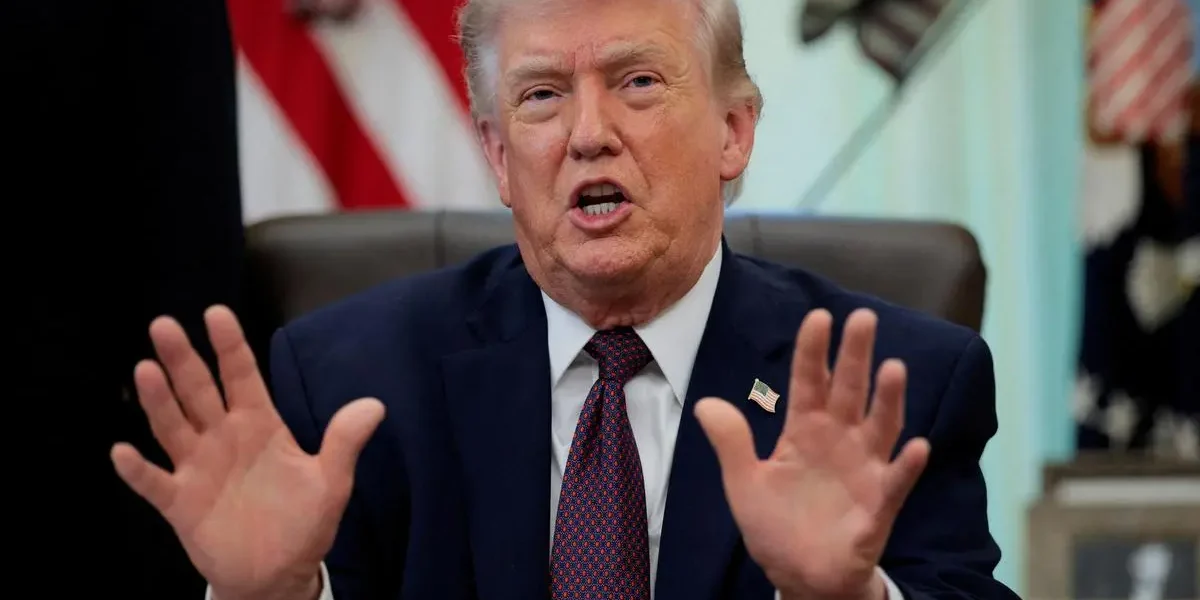
President Trump has signed an executive order to vet top AI models for national security risks, sparking concerns about the government’s role in regulating emerging tech.
Order details
The policy, announced on Tuesday, allows the federal government up to 30 days to assess qualifying AI models, emphasizing that participation by developers remains voluntary. While the administration insists this won’t hinder innovation, experts warn that this may inadvertently push companies to work with AI models that haven’t been thoroughly vetted.
The executive order applies to AI models with “high-risk” or “critical-risk” classifications, which, according to the administration, include those used in areas like predictive policing, medical diagnosis, and self-driving cars. The order also emphasizes the need for more transparency and accountability in AI development, although specifics on how this will be achieved remain unclear.
AI researchers and developers are divided on the issue, with some seeing this as a necessary step towards ensuring AI safety and others viewing it as an undue restriction on innovation.
Mixed reactions
Andrew Ng, a prominent AI expert and former Google chief scientist, stated that the order is “a step in the right direction,” but added that it’s crucial to balance safety concerns with the need for AI to advance in various industries. Ng noted that the 30-day review period is relatively short and may create uncertainty among developers.
On the other hand, experts from organizations like the Electronic Frontier Foundation (EFF) have expressed concerns about the potential for over-regulation and the risks of government control over AI development.
What this means
The practical impact of this executive order is yet to be seen, but it likely signals a shift towards more scrutiny of AI models, especially those used in high-stakes applications. Developers and companies will need to carefully weigh the potential benefits of participating in the vetting process against the risks of regulatory oversight. As the AI landscape continues to evolve, this order will undoubtedly shape the future of AI development and deployment in the United States.