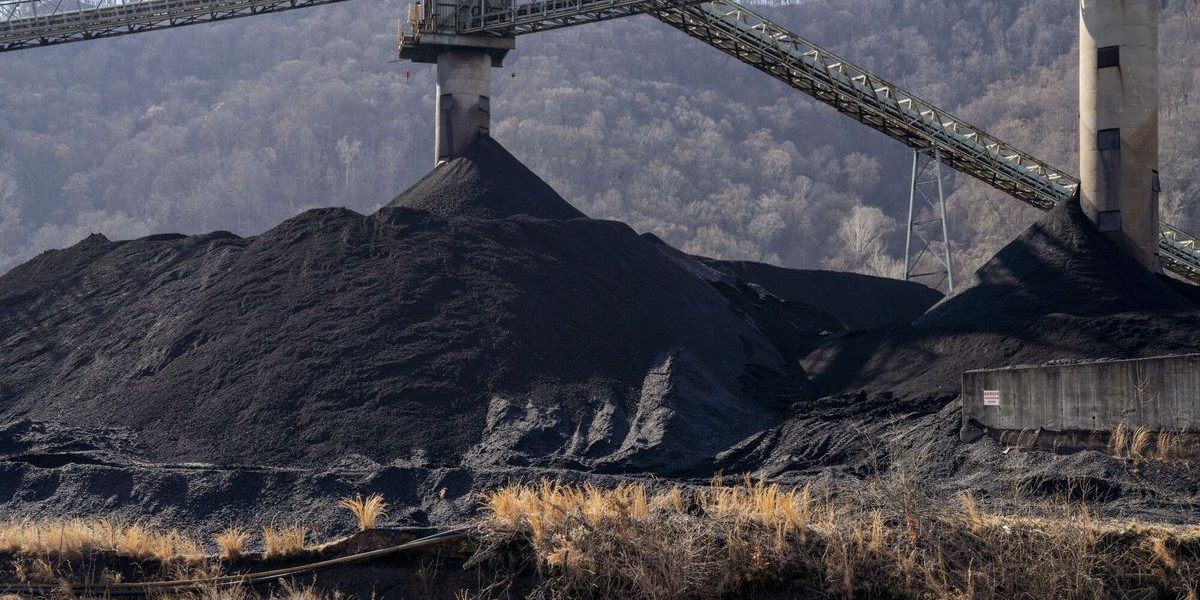
President Donald Trump is reviving a Cold War-era program to pour $700 million into building coal plants and exporting US coal, a move that flies in the face of global efforts to reduce carbon emissions.
A Coal Comeback?
The money will come from the Defense Production Act (DPA), a law that allows the president to mobilize industries in times of national emergency. Trump’s administration claims the coal sector is vital to the country’s defense and energy needs, despite the sector’s long decline.
According to a White House memo, the funds will be used to restart three mothballed coal-fired power plants and support “export capabilities” for US coal. The move is part of Trump’s ongoing push to boost the coal industry, which has faced increasing competition from cheaper natural gas and renewable energy sources.
Fossil Fuel Future?
Coal’s resurgence is at odds with the global shift toward cleaner energy sources, and the European Union’s 2050 climate plan aims to phase out coal entirely within the next decade. However, the US is one of the world’s biggest coal producers, and the industry still employs hundreds of thousands of workers.
The Trump administration claims that coal is necessary to support the country’s growing demand for energy, particularly as artificial intelligence and other industries require more power. However, many experts argue that the sector’s emissions are a significant contributor to climate change, and that clean energy sources like solar and wind are a more efficient and sustainable solution.
What this means
Trump’s coal plan may not be as effective as he hopes, given the sector’s declining fortunes. However, it could provide short-term jobs and economic benefits for coal-producing regions. As the world moves toward cleaner energy sources, the long-term viability of coal remains uncertain.
In reality, Trump’s push to revive coal may be more about politics than policy. The move is likely to appeal to his base of supporters in coal-producing states, particularly in Appalachia. Critics argue that it’s a costly and misguided attempt to revive a dying industry.