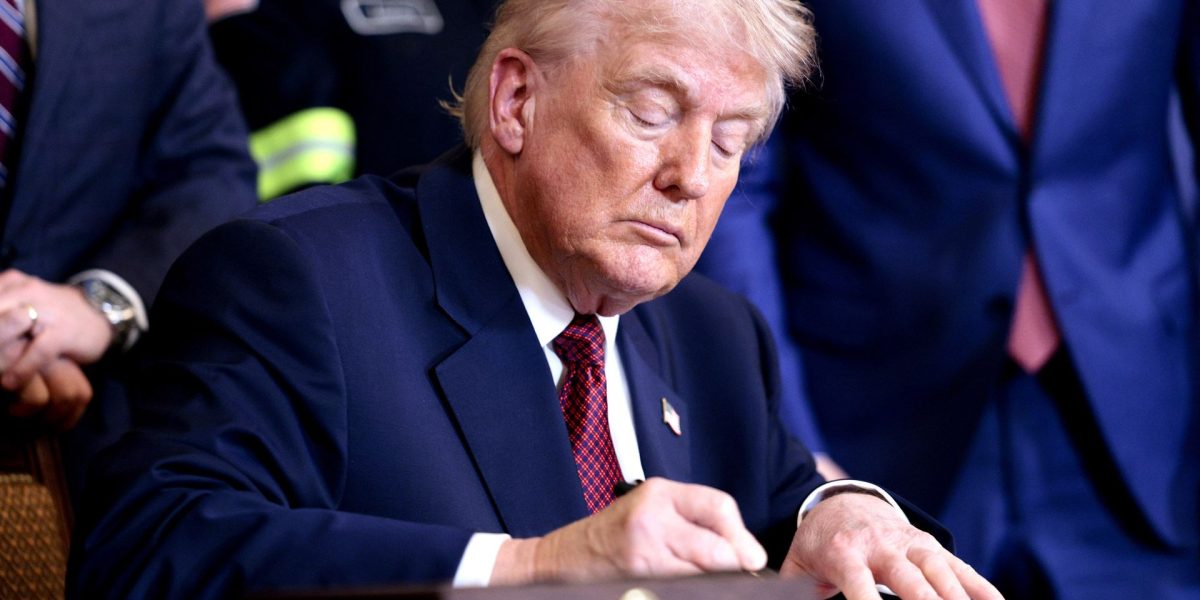
AI development in the US is on the cusp of a regulatory reckoning, courtesy of President Donald Trump’s recent executive order.
The order, titled “Promoting Advanced Artificial Intelligence,” grants the White House unprecedented control over future AI frontier models, effectively putting the federal government in charge of deciding which AI innovations are deemed acceptable. This is a problem, experts warn, because the Trump administration’s track record on tech policy is marked by a lack of technical expertise and a history of favoring short-term gains over long-term consequences.
AI Regulation: Why the Trump White House Is the Wrong Body
The US Government Accountability Office has already flagged the administration’s lack of technical expertise, citing a 60% turnover rate among senior IT positions since 2017. This revolving door has left key AI regulatory decisions in the hands of officials who may not be equipped to understand the nuances of emerging AI technologies. Couple this with the administration’s penchant for favoring industry-friendly policies, and the stage is set for a regulatory regime that prioritizes short-term profits over public safety and innovation.
What This Means for AI Developers and Users
The Trump administration’s control over AI development could have far-reaching implications, stifling innovation and creating a climate of fear among AI researchers and developers. This could lead to a brain drain, as top talent flees the US in search of more welcoming regulatory environments. It also raises the specter of censorship, as the government exercises its newfound powers to silence AI developers who push the boundaries of what’s considered acceptable.
A Recipe for Disaster
In the wrong hands, AI regulation has the potential to become a tool of oppression, stifling creativity and innovation in favor of short-term political gains. The Trump administration’s record on tech policy has been marked by a consistent failure to understand the underlying tech, leading to a series of misguided decisions that have benefited special interests at the expense of the public good. The implications of this executive order are clear: the US is on the cusp of a regulatory reckoning that could have far-reaching consequences for the future of AI development.