OpenAI CEO Spars with Lawmakers Over AI Regulation
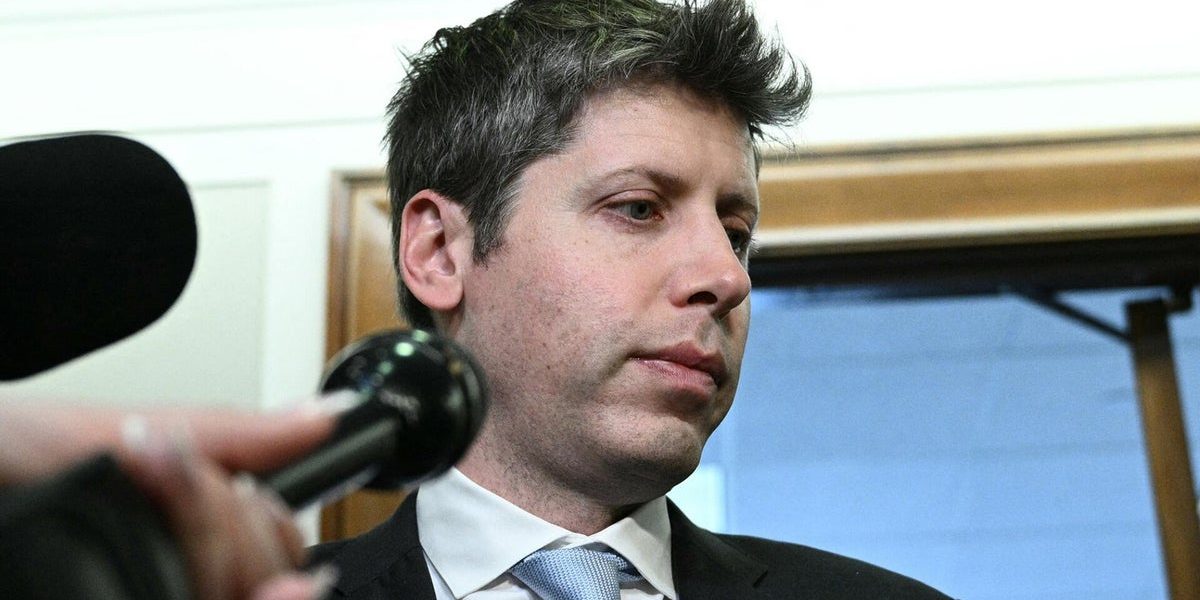
Sam Altman, the CEO of OpenAI, met with lawmakers on Wednesday to express his opposition to a proposed order that would require developers to get government approval before releasing new AI models.
The proposal, floated by the Trump administration, aims to introduce a level of oversight on the development and deployment of AI systems. However, Altman and OpenAI are not alone in their concerns – many in the tech industry fear that such regulations could stifle innovation and hinder the progress of AI research.
“AI is a rapidly advancing field that requires a light-touch regulatory approach,” Altman said in a statement after the meeting. “Overregulation could lead to unintended consequences and slow down the development of beneficial AI technologies.”
The meeting, which took place with both Republican and Democratic lawmakers, was seen as a key opportunity for Altman to persuade lawmakers to reconsider the proposal. While the outcome of the meeting is unclear, it’s likely that the debate over AI regulation will continue to be a contentious issue in the coming weeks and months.
What This Means
For users of AI-powered services, the implications of this proposal are significant. If implemented, the regulations could lead to a slower pace of innovation in the AI space, potentially delaying the development of new applications and use cases. This could have far-reaching consequences for industries such as healthcare, finance, and education, where AI is being increasingly relied upon to drive efficiency and improve outcomes.
Industry Reaction
The tech industry has been mixed in its reaction to the proposal, with some companies and organizations expressing support for increased regulation, while others have argued that it could be overly restrictive. As the debate continues, it’s clear that one thing is certain: the future of AI regulation will be shaped by the outcome of this high-stakes showdown between the tech industry and lawmakers.
Altman’s meeting with lawmakers marks a significant moment in the ongoing conversation about AI regulation, and highlights the need for a nuanced and informed approach to this complex issue. As the debate rages on, one thing is clear: the future of AI will be shaped by the choices we make today.