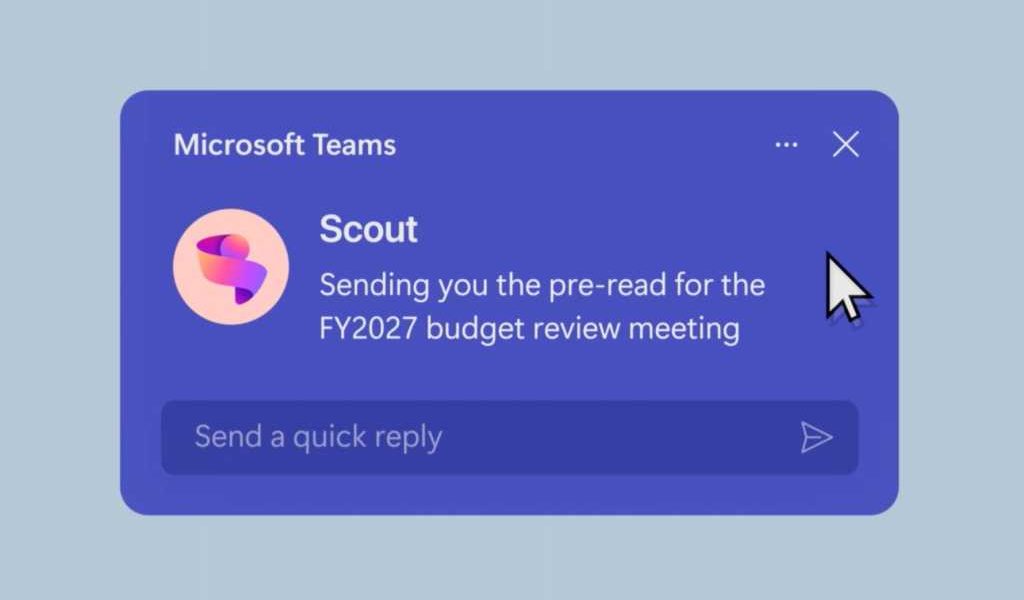
Microsoft’s Scout AI agent is a workplace-focused personal assistant that could revolutionize your 9-to-5.
The AI industry has seen a surge in personal assistant-like agents, designed to make daily life easier for individuals. Take Google’s Gemini Spark, for example – on paper, it can plan meals, manage your calendar, and perform various tasks 24/7. However, as appealing as these agents sound, the reality often sets in when trying to integrate them into a home setting, where they often struggle to find their purpose.
Enter Microsoft’s Scout, a personal AI agent that’s taking a different approach. Instead of targeting the home, Microsoft is positioning Scout specifically for the workplace. The company’s vision is for Scout to become an indispensable tool for employees, helping them stay organized, connected, and productive throughout their workday.
Focusing on Workplace Challenges
Microsoft claims Scout is designed to tackle the complexities of modern work environments. With Scout, employees can expect features like task management, email organization, and even scheduling virtual meetings. But what sets Scout apart is its ability to learn and adapt to a user’s specific work style and preferences.
By doing so, Scout aims to reduce the noise and distractions that often come with using personal assistants in a work setting. Instead of being a “smart speaker” that can answer general knowledge questions or play music, Scout is centered around work-related tasks. This targeted approach could help employees become more efficient and focused on their job responsibilities.
Practical Applications and Implications
One potential outcome of Scout’s workplace focus is a more streamlined workflow. By automating repetitive tasks and providing a centralized hub for information, Scout could empower employees to tackle more critical projects and make better use of their time.
For organizations, Scout represents an opportunity to enhance employee productivity and satisfaction. By integrating Scout into their workspaces, companies may see a reduction in email overload, improved meeting efficiency, and increased employee engagement. In turn, Scout’s presence could also help HR departments identify areas where employees need more support, training, or tools to excel in their roles.
What this means: Microsoft’s Scout AI agent is poised to bring personal assistants to the workplace in a more targeted and effective way. As Scout begins to roll out, expect to see employees and organizations alike reap the benefits of a more organized, connected, and productive work environment.