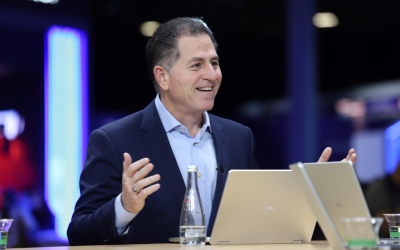
A record number of startups and established players alike showcased their wares at this year’s Retail Technology Show, with AI-powered innovations taking center stage.
Major Investment in Retail Tech
Against a backdrop of acknowledgement that artificial intelligence (AI) will impact retailers in many ways, the sector is experiencing a major level of investment aimed at creating the infrastructure required for widespread adoption. A total of 35 AI-focused startups have received significant funding in the past quarter alone, with many more vying for a piece of the action. The likes of Nike, Procter & Gamble, and Walmart were among the notable retailers and brands represented, all eager to explore the potential of emerging technologies.
Achieving Efficiency Gains
According to David Haines, CIO of Target, one of the biggest challenges facing retailers is integrating AI-powered tools into their existing IT infrastructure. “It’s not just about implementing new systems, it’s about making sure they talk to each other and provide a seamless experience for the customer,” he explained. However, many retailers believe the benefits justify the effort, including improved efficiency, better inventory management, and enhanced customer personalization.
A Focus on Customer Experience
The focus on AI at this year’s Retail Technology Show was not just about automating processes or improving supply chain efficiency. Retailers are increasingly looking to AI to understand their customers better and provide a more personalized shopping experience. According to a recent survey, 71% of retailers believe that AI-powered tools will be essential for delivering exceptional customer experiences in the next 12 months.
What this means is that retailers who fail to invest in AI-powered technologies risk being left behind. As more and more consumers turn to online shopping, the ability to offer a seamless, personalized experience will be crucial for driving sales and staying ahead of the competition.
Despite the challenges, the momentum behind AI-powered retail technology is unlikely to slow anytime soon. As the likes of Amazon continue to push the boundaries of what’s possible, other retailers will be forced to follow suit if they want to stay relevant in an increasingly competitive market.